

/ Maritime and Inland Waterway Transport
Maritime and Inland Waterway Transport
Maritime and Inland Waterway Transport
Maritime and Inland Waterway Transport
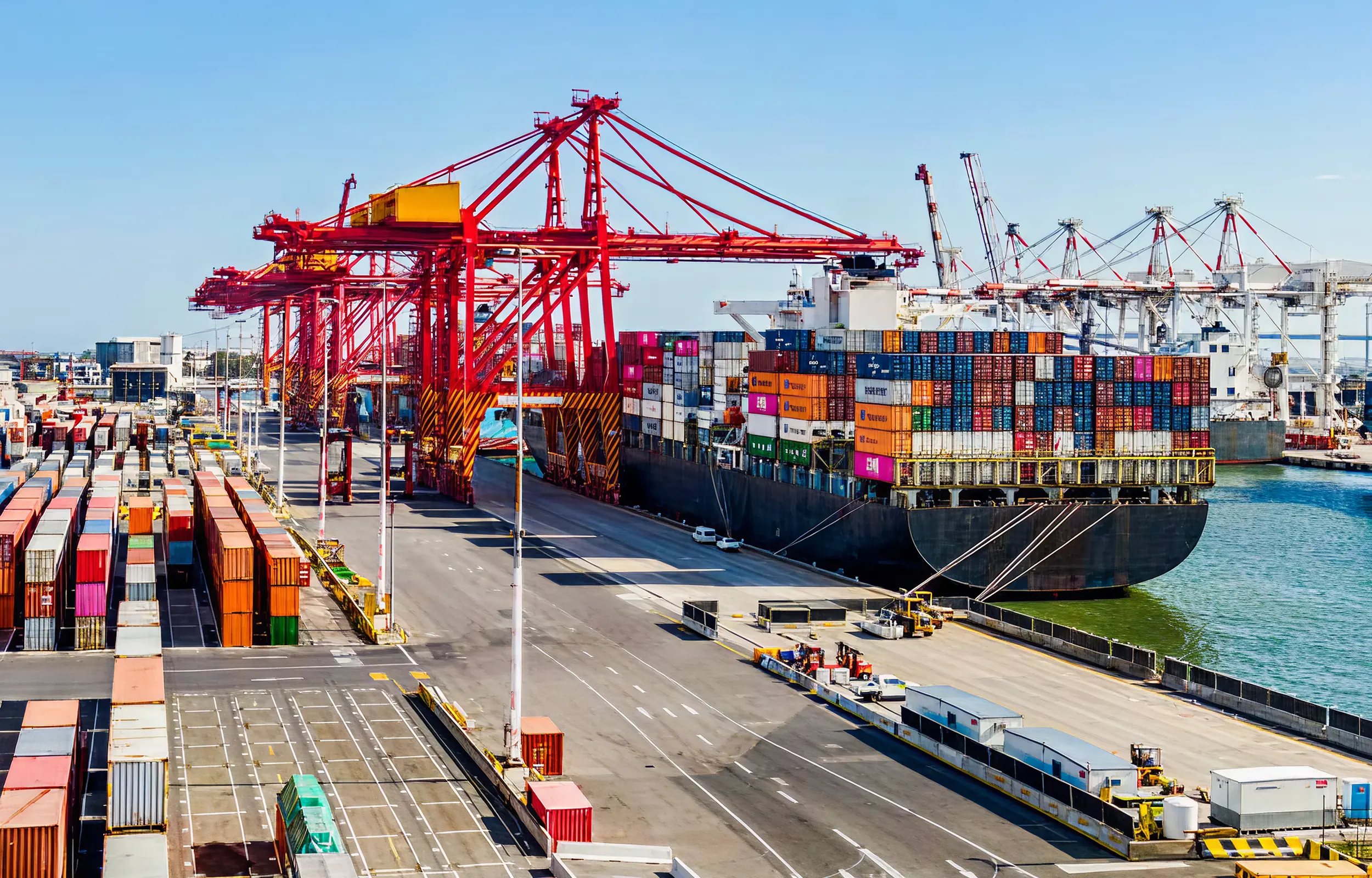
We support dockers, crane operators, loaders, and all port workers who are the indispensable link between sea and land. Ports handle millions of tons of cargo annually – from containers of consumer goods to bulk raw materials, energy resources, and food products that sustain economies and supply communities worldwide.
Despite their key role, many of these workers face precarious conditions, low pay, and a lack of protection. FTTU works to ensure a safe working environment, fair treatment, and the implementation of international standards. We stand ready to defend the rights of every port worker and to hold employers and institutions accountable when they are violated.
We support dockers, crane operators, loaders, and all port workers who are the indispensable link between sea and land. Ports handle millions of tons of cargo annually – from containers of consumer goods to bulk raw materials, energy resources, and food products that sustain economies and supply communities worldwide.
Despite their key role, many of these workers face precarious conditions, low pay, and a lack of protection. FTTU works to ensure a safe working environment, fair treatment, and the implementation of international standards. We stand ready to defend the rights of every port worker and to hold employers and institutions accountable when they are violated.
We support dockers, crane operators, loaders, and all port workers who are the indispensable link between sea and land. Ports handle millions of tons of cargo annually – from containers of consumer goods to bulk raw materials, energy resources, and food products that sustain economies and supply communities worldwide.
Despite their key role, many of these workers face precarious conditions, low pay, and a lack of protection. FTTU works to ensure a safe working environment, fair treatment, and the implementation of international standards. We stand ready to defend the rights of every port worker and to hold employers and institutions accountable when they are violated.
Problems in the Maritime and Inland Waterway Transport sector
Problems in the Maritime and Inland Waterway Transport sector
Problems in the Maritime and Inland Waterway Transport sector
Problems in the Maritime and Inland Waterway Transport sector
Work in maritime transport is full of challenges. Here are some of the most common problems faced by seafarers and port workers:
❌ Long periods at sea – isolation from family and friends.
❌ Difficult working conditions – long shifts and physical exertion - working in harsh weather conditions, noise, dust, etc.
❌ Safety risks – hazardous situations on board or in ports - risk of accidents with heavy machinery or cargo.
❌ Low pay – labor is often not adequately compensated, especially under short-term contracts or through subcontractors, leaving workers without a stable income.
❌ Lack of effective social protection – limited rights and opportunities for development, weak enforcement of labor legislation and international standards, especially in concessioned ports.
❌ Outdated infrastructure and equipment – insufficient automation and poorly maintained facilities that slow down cargo handling and increase the risk of accidents.
❌ Environmental challenges – the need to comply with strict environmental standards.
These problems affect not only the workers but also the efficiency of the entire sector.
Work in maritime transport is full of challenges. Here are some of the most common problems faced by seafarers and port workers:
❌ Long periods at sea – isolation from family and friends.
❌ Difficult working conditions – long shifts and physical exertion - working in harsh weather conditions, noise, dust, etc.
❌ Safety risks – hazardous situations on board or in ports - risk of accidents with heavy machinery or cargo.
❌ Low pay – labor is often not adequately compensated, especially under short-term contracts or through subcontractors, leaving workers without a stable income.
❌ Lack of effective social protection – limited rights and opportunities for development, weak enforcement of labor legislation and international standards, especially in concessioned ports.
❌ Outdated infrastructure and equipment – insufficient automation and poorly maintained facilities that slow down cargo handling and increase the risk of accidents.
❌ Environmental challenges – the need to comply with strict environmental standards.
These problems affect not only the workers but also the efficiency of the entire sector.
Work in maritime transport is full of challenges. Here are some of the most common problems faced by seafarers and port workers:
❌ Long periods at sea – isolation from family and friends.
❌ Difficult working conditions – long shifts and physical exertion - working in harsh weather conditions, noise, dust, etc.
❌ Safety risks – hazardous situations on board or in ports - risk of accidents with heavy machinery or cargo.
❌ Low pay – labor is often not adequately compensated, especially under short-term contracts or through subcontractors, leaving workers without a stable income.
❌ Lack of effective social protection – limited rights and opportunities for development, weak enforcement of labor legislation and international standards, especially in concessioned ports.
❌ Outdated infrastructure and equipment – insufficient automation and poorly maintained facilities that slow down cargo handling and increase the risk of accidents.
❌ Environmental challenges – the need to comply with strict environmental standards.
These problems affect not only the workers but also the efficiency of the entire sector.
How the Federation protects workers' rights
How the Federation protects workers' rights
How the Federation protects workers' rights
FTTU stands up for the right to decent working conditions and equality for everyone working in maritime transport. Here is how we support seafarers and maritime industry workers:
✅ Protection of labor rights – we provide legal support, drafting and signing of collective bargaining agreements, and we conduct negotiations and social dialogue with employers and institutions.
✅ Improving working conditions – through collective bargaining we negotiate better working conditions on board and in ports, monitor compliance with labor legislation, participate in working groups and advisory councils, and alert institutions in case of violations or health and safety risks at ports and ships.
✅ Financial support – we provide assistance in emergencies, accidents, and severe illnesses. We provide access to mutual aid funds – MSF and NMSF.
✅ Information and consultation – we provide up-to-date and reliable information regarding legislative changes, rights, and obligations of those working in maritime transport, as well as opportunities for professional development and training.
✅ Collective representation – your voice in negotiations with employers, port authorities, and state institutions.
FTTU stands up for the right to decent working conditions and equality for everyone working in maritime transport. Here is how we support seafarers and maritime industry workers:
✅ Protection of labor rights – we provide legal support, drafting and signing of collective bargaining agreements, and we conduct negotiations and social dialogue with employers and institutions.
✅ Improving working conditions – through collective bargaining we negotiate better working conditions on board and in ports, monitor compliance with labor legislation, participate in working groups and advisory councils, and alert institutions in case of violations or health and safety risks at ports and ships.
✅ Financial support – we provide assistance in emergencies, accidents, and severe illnesses. We provide access to mutual aid funds – MSF and NMSF.
✅ Information and consultation – we provide up-to-date and reliable information regarding legislative changes, rights, and obligations of those working in maritime transport, as well as opportunities for professional development and training.
✅ Collective representation – your voice in negotiations with employers, port authorities, and state institutions.

Join us today! Together we can improve conditions in the transportation sector.
Become a union member
Join us today! Together we can improve conditions in the transportation sector.
Become a union member

Justice • Solidarity • Development

QUICK LINKS
Accessibility
Terms of Use
Permissible use
Mutual Respect Policy
©2025-2026, Federation of Transport and Trade Unions,
All rights reserved.
Justice • Solidarity • Development
QUICK LINKS
Accessibility
Terms of Use
Permissible use
Mutual Respect Policy
©2025-2026, Federation of Transport and Trade Unions,
All rights reserved.
Justice • Solidarity • Development
QUICK LINKS
Accessibility
Terms of Use
Permissible use
Mutual Respect Policy
©2025-2026, Federation of Transport and Trade Unions, All rights reserved.
Justice • Solidarity • Development
QUICK LINKS
Accessibility
Terms of Use
Permissible use
Mutual Respect Policy
©2025-2026, Federation of Transport and Trade Unions, All rights reserved.