

FTTU and CITUB held a forum on the transition to cleaner and more efficient public transport
FTTU and CITUB held a forum on the transition to cleaner and more efficient public transport
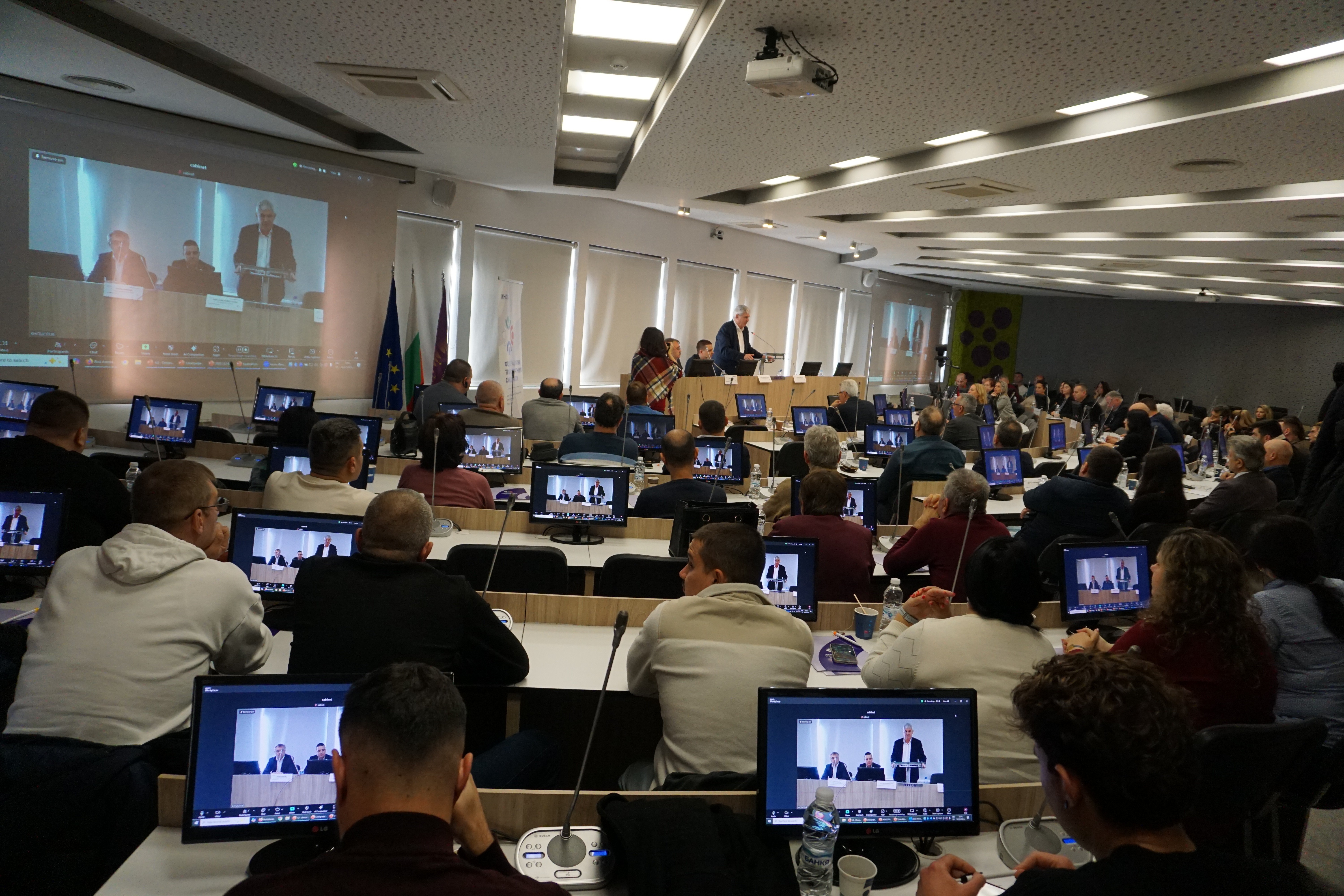
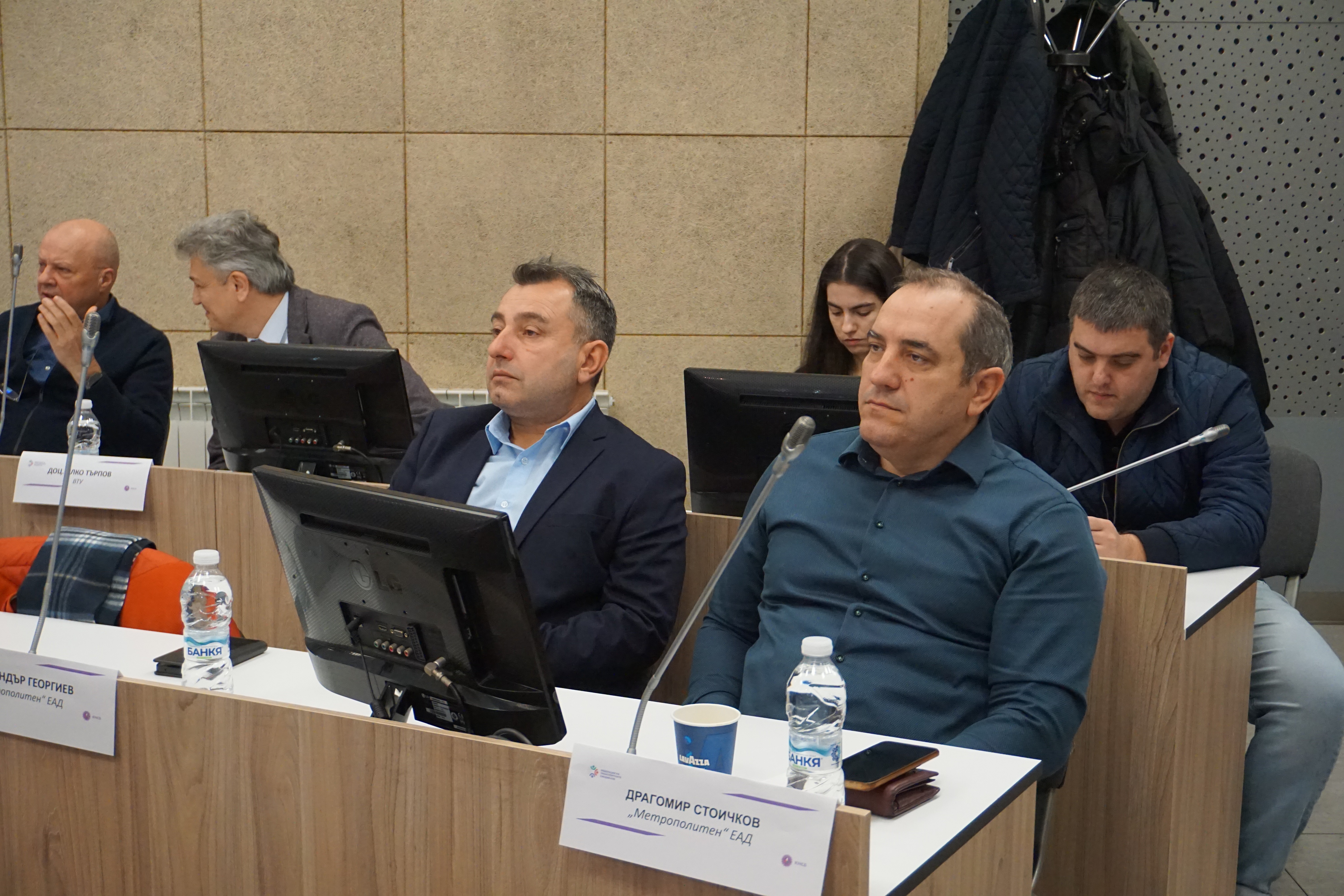
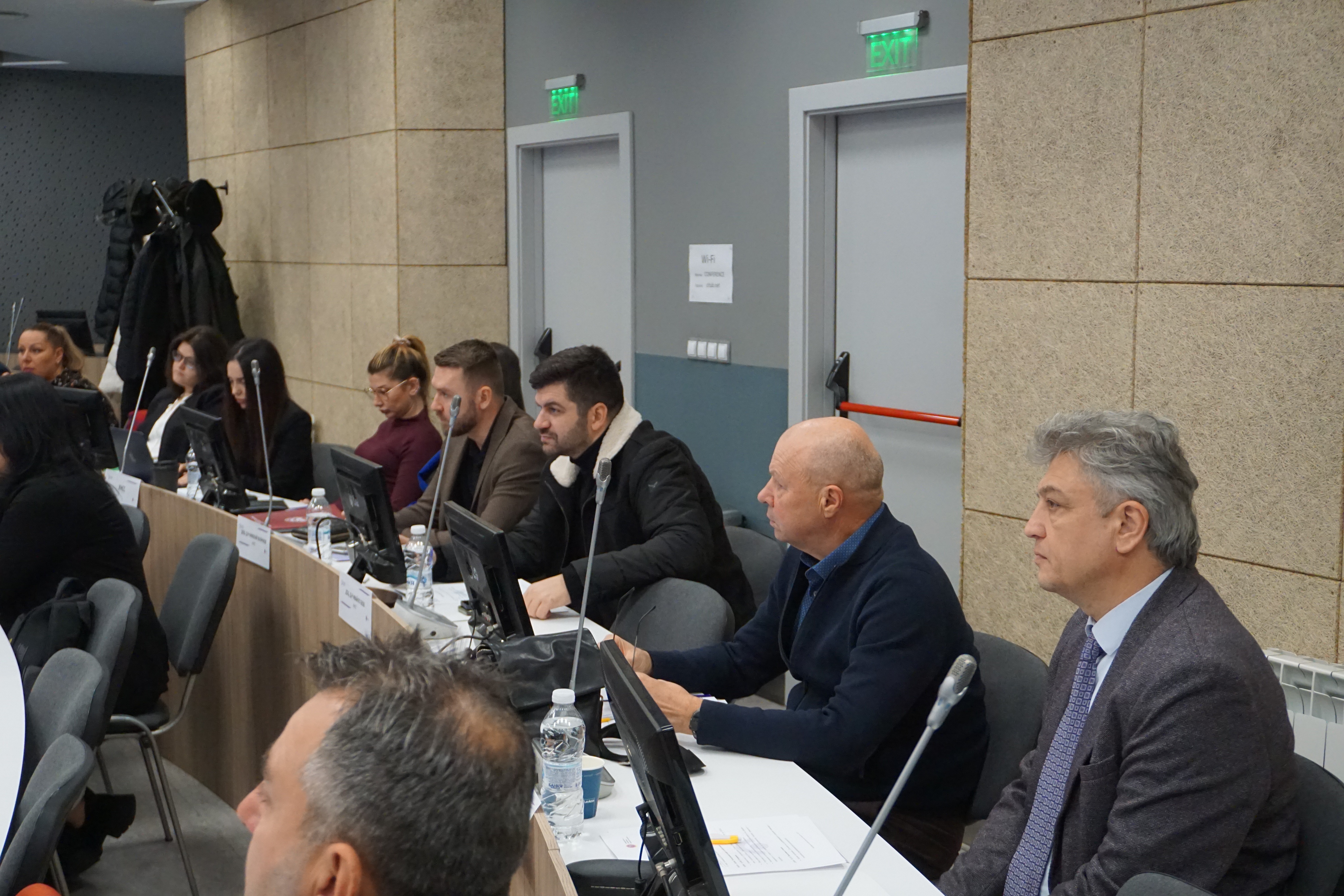
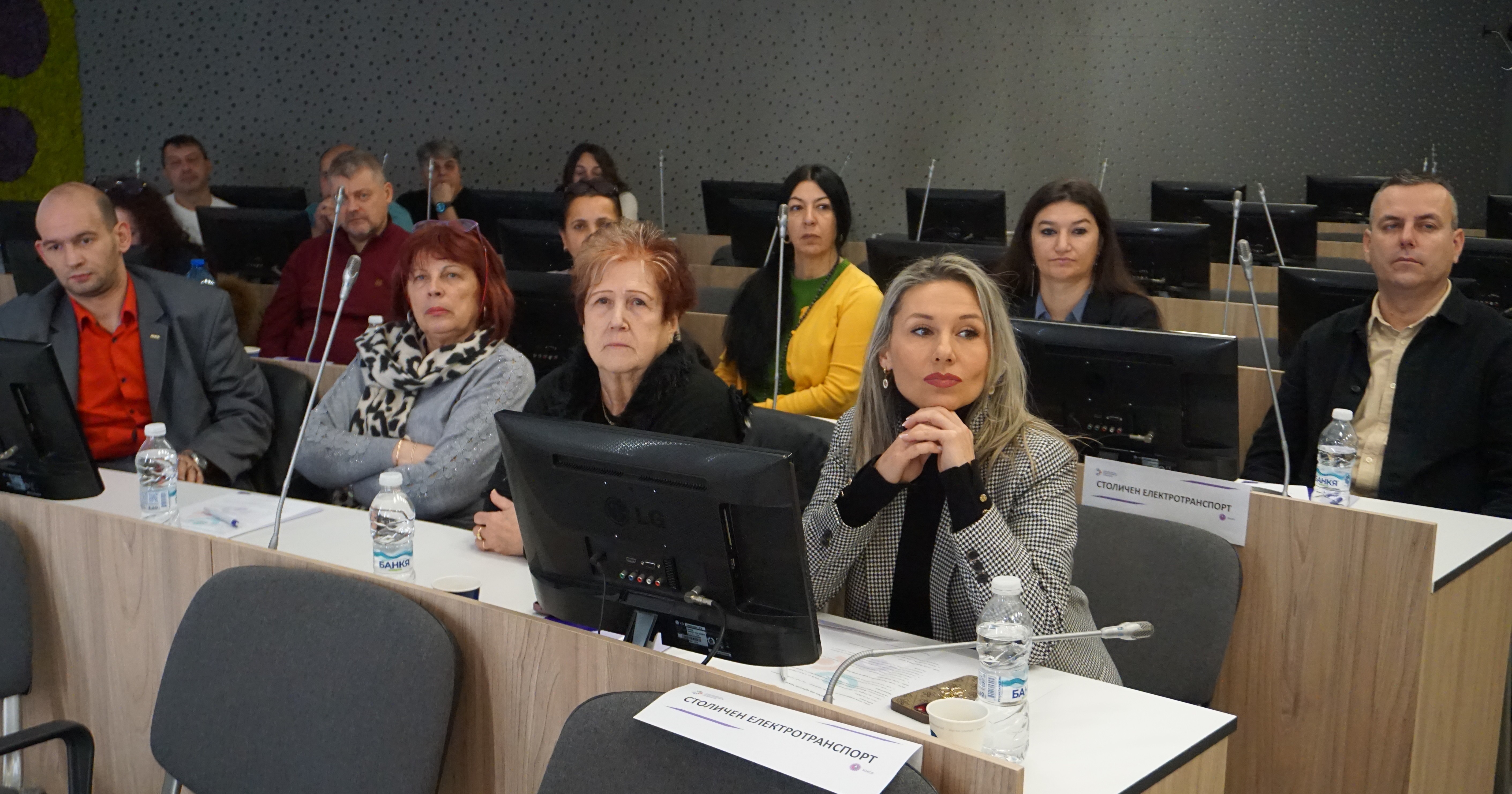
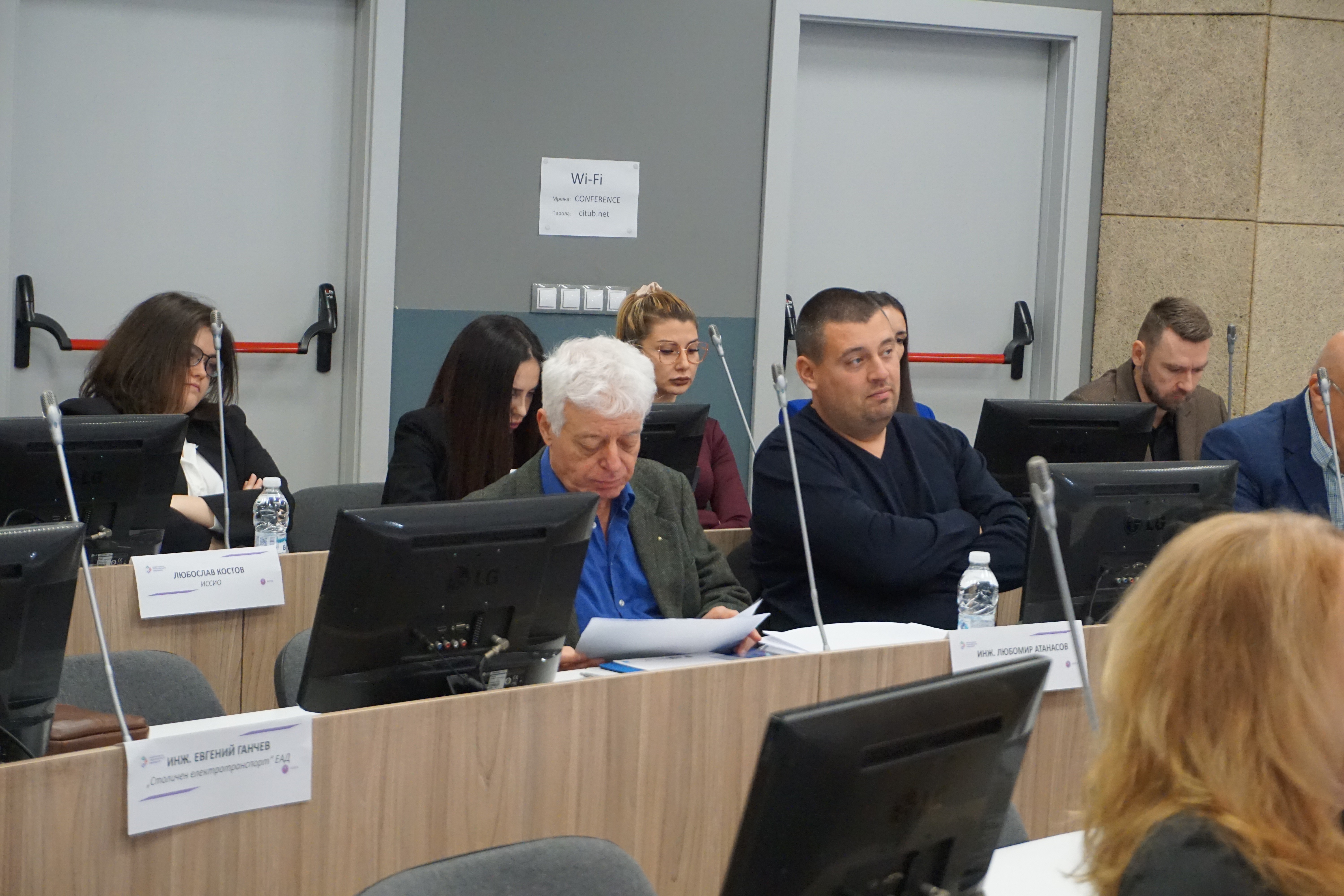
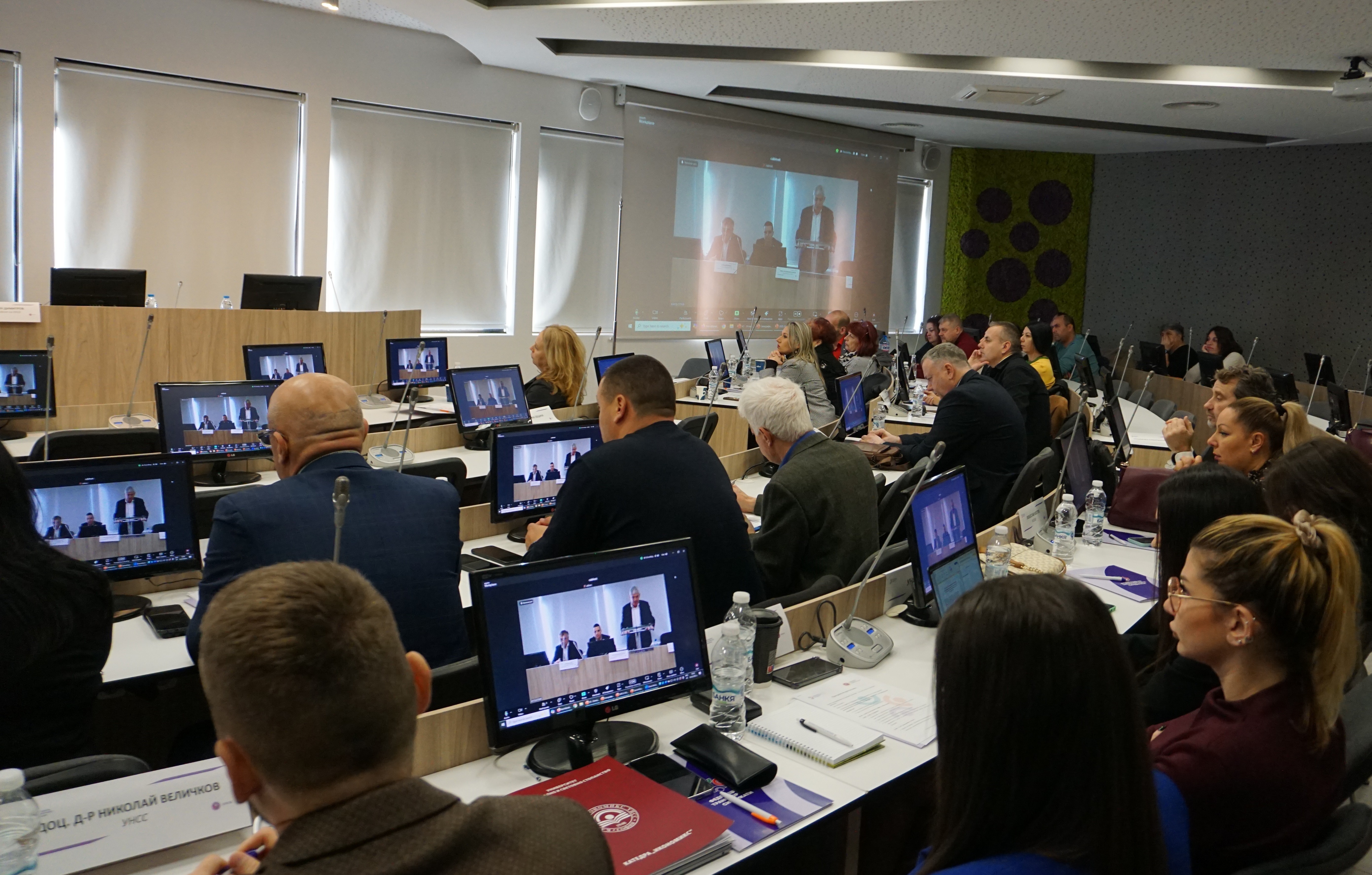
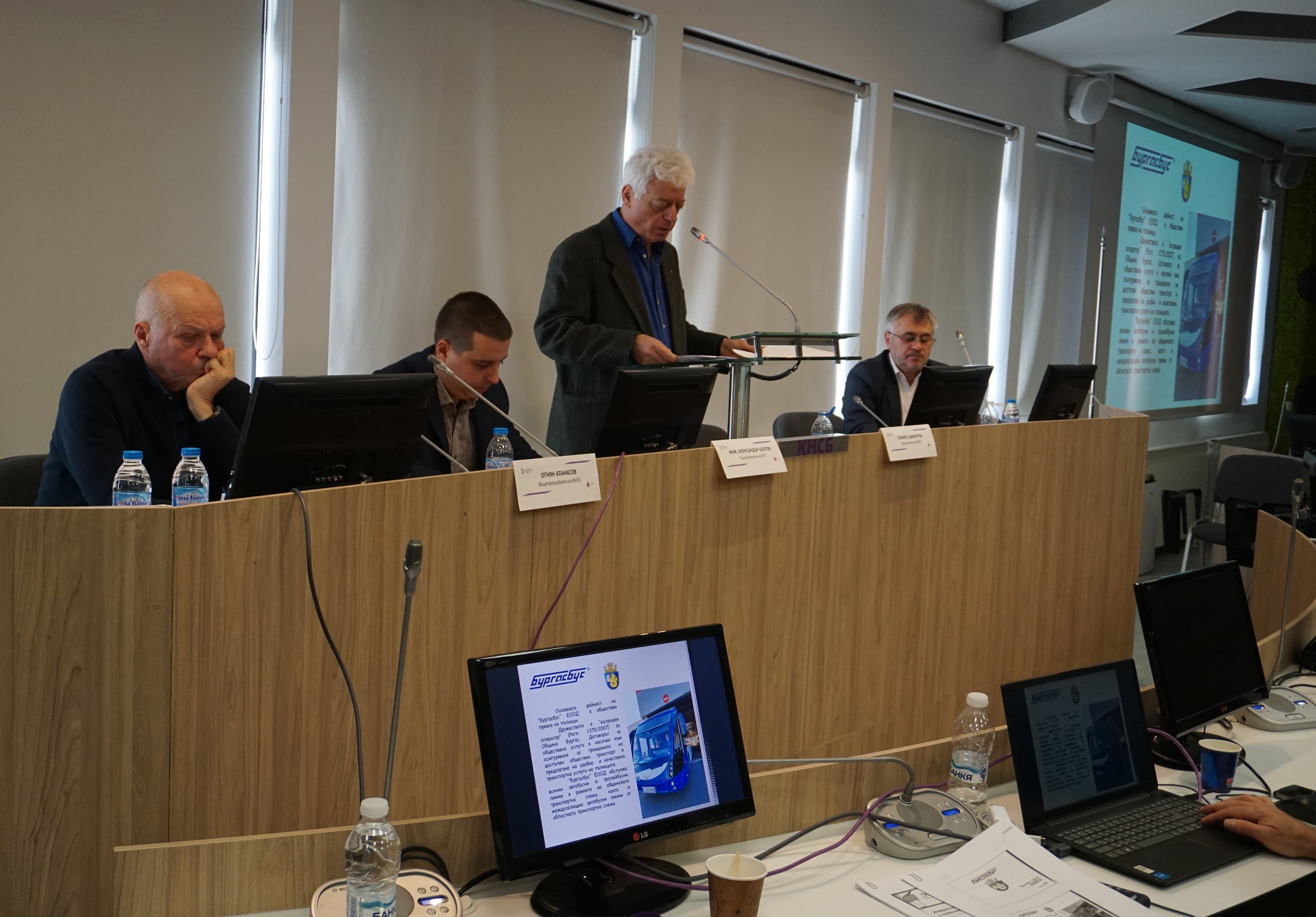
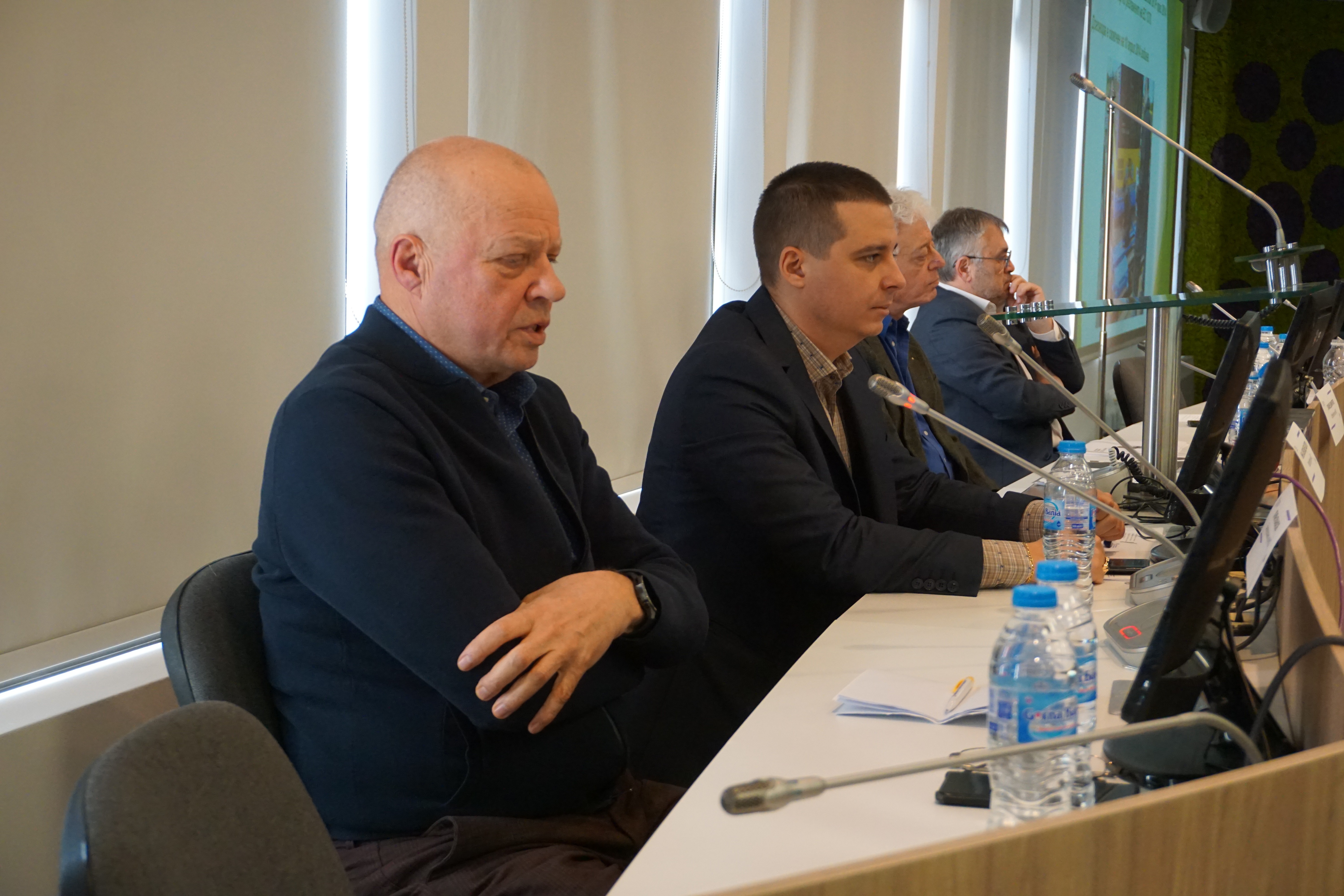
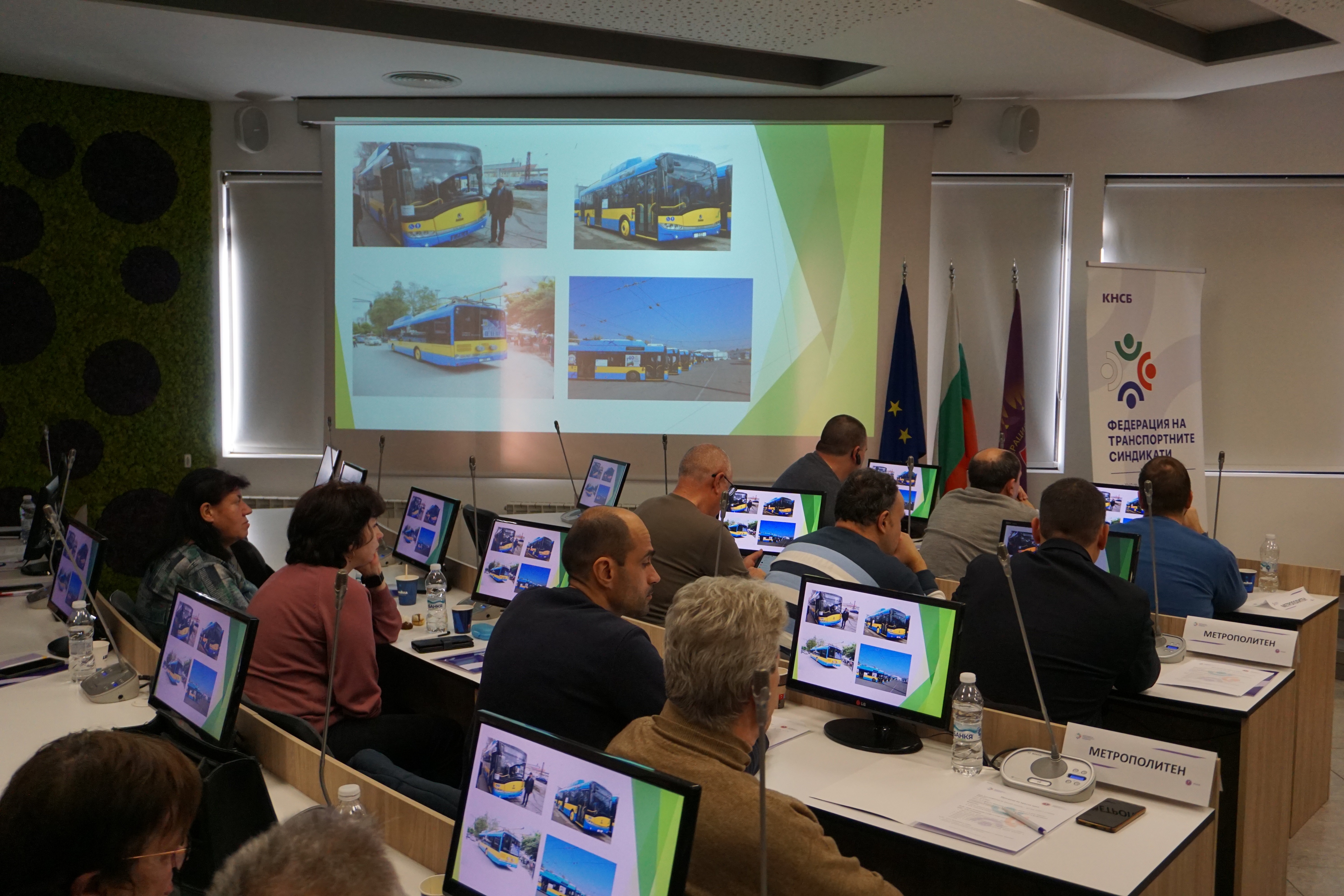
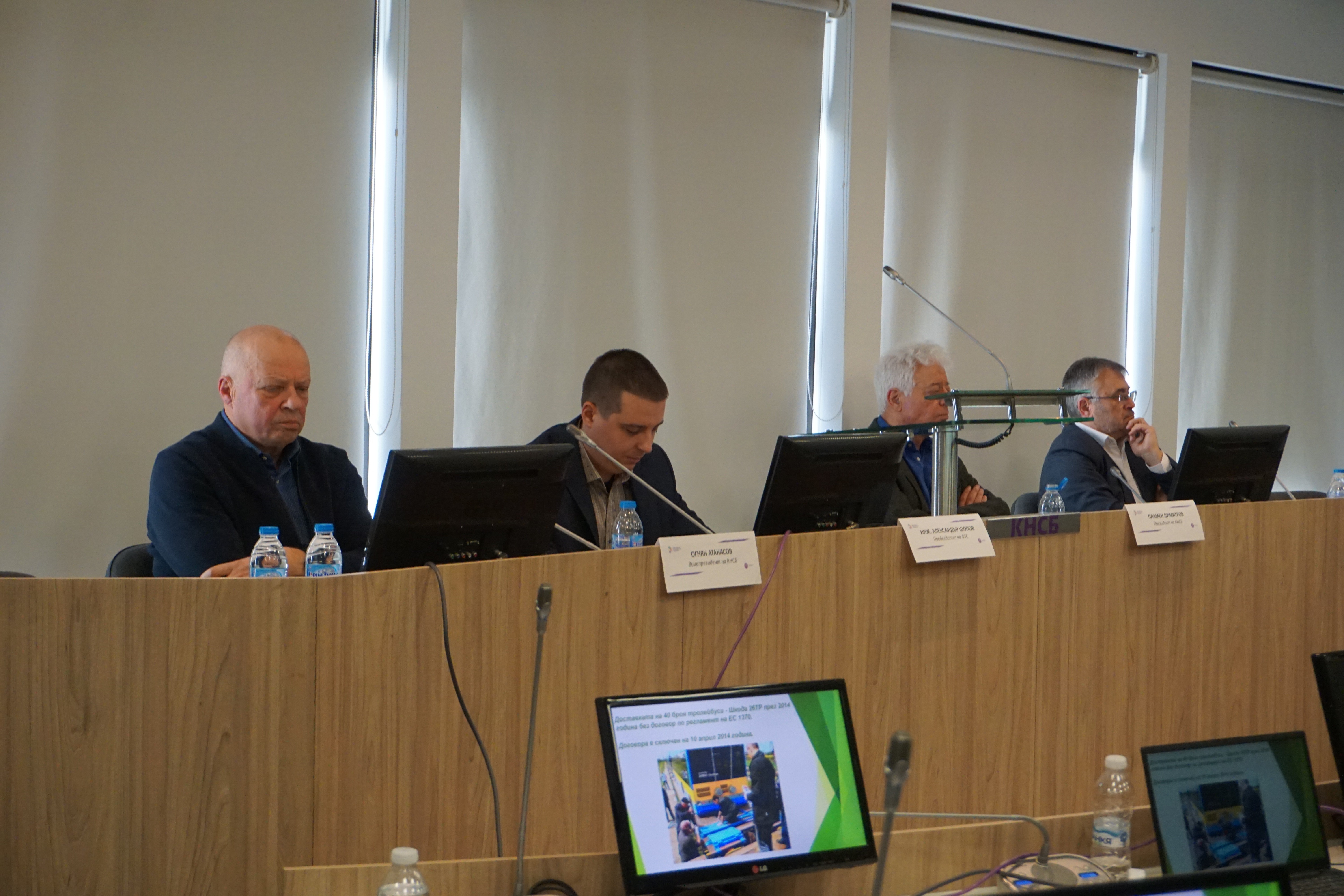
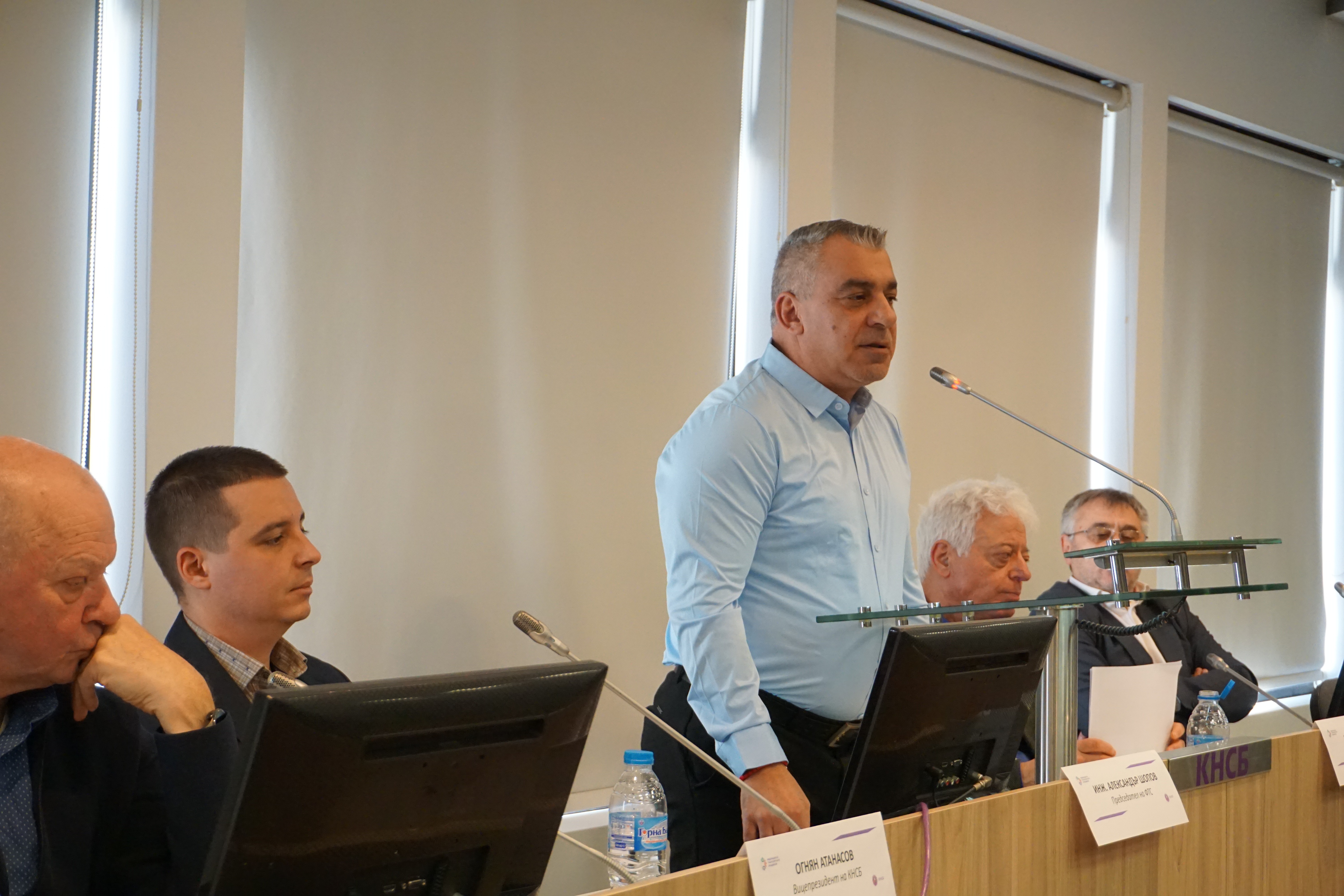
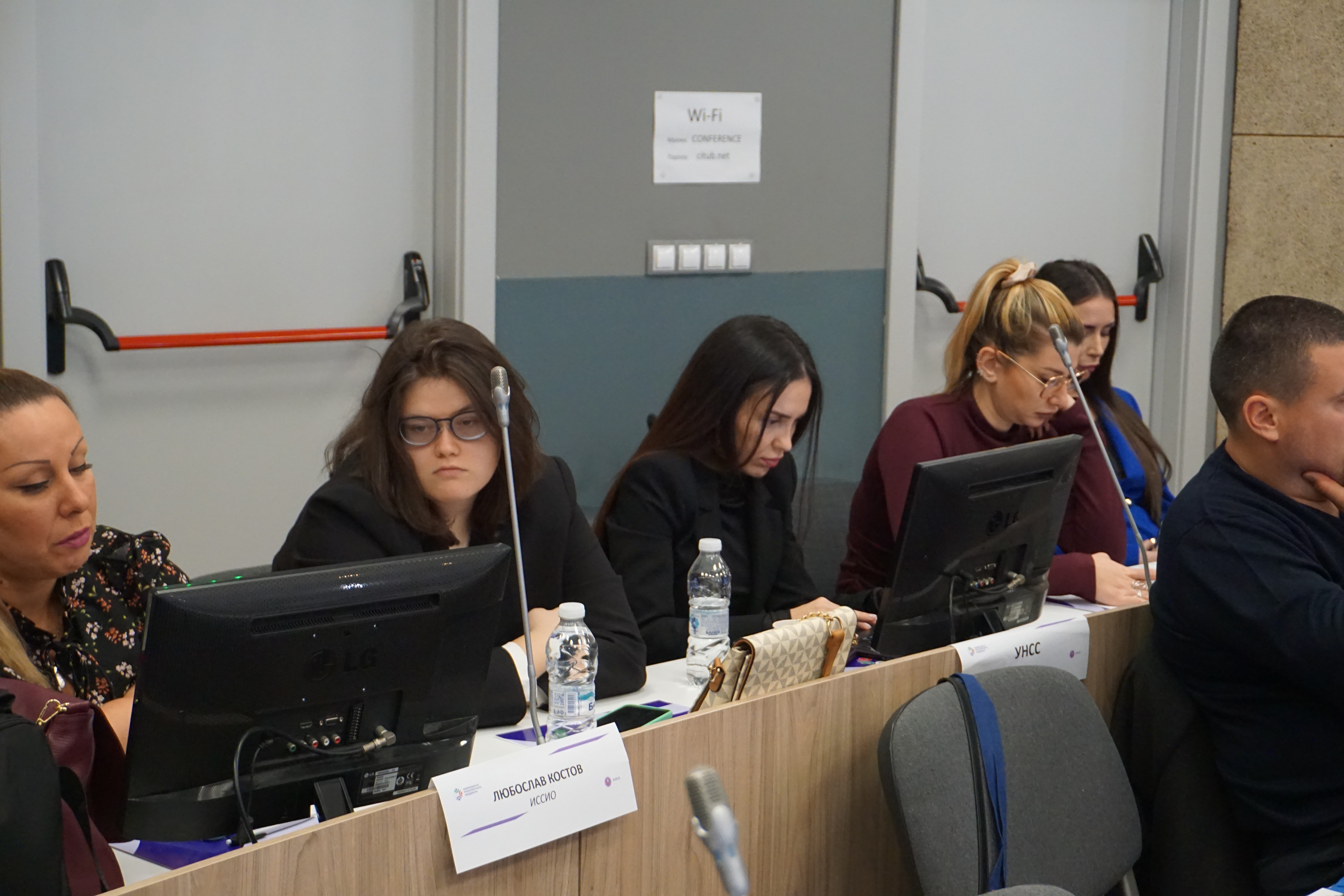
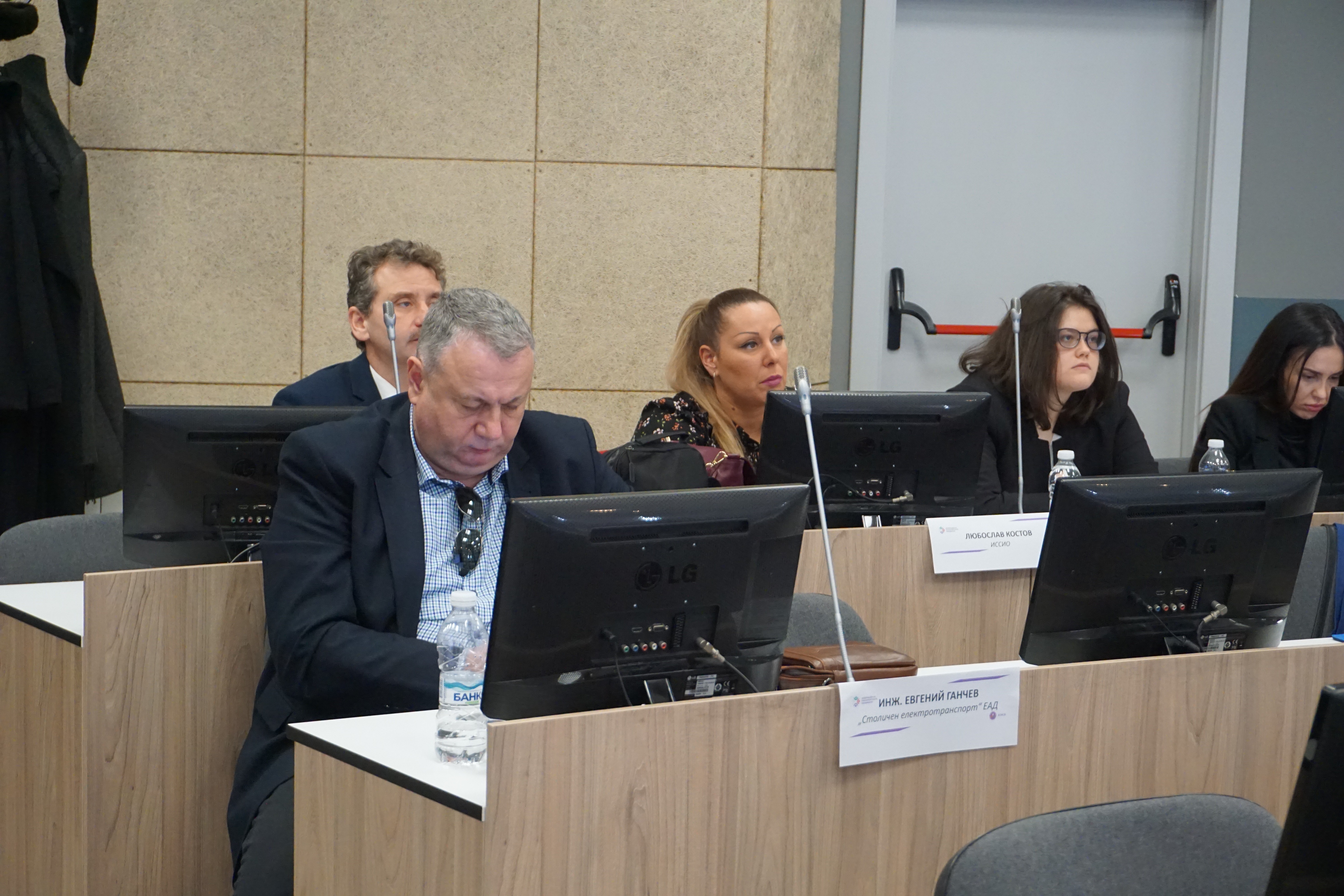
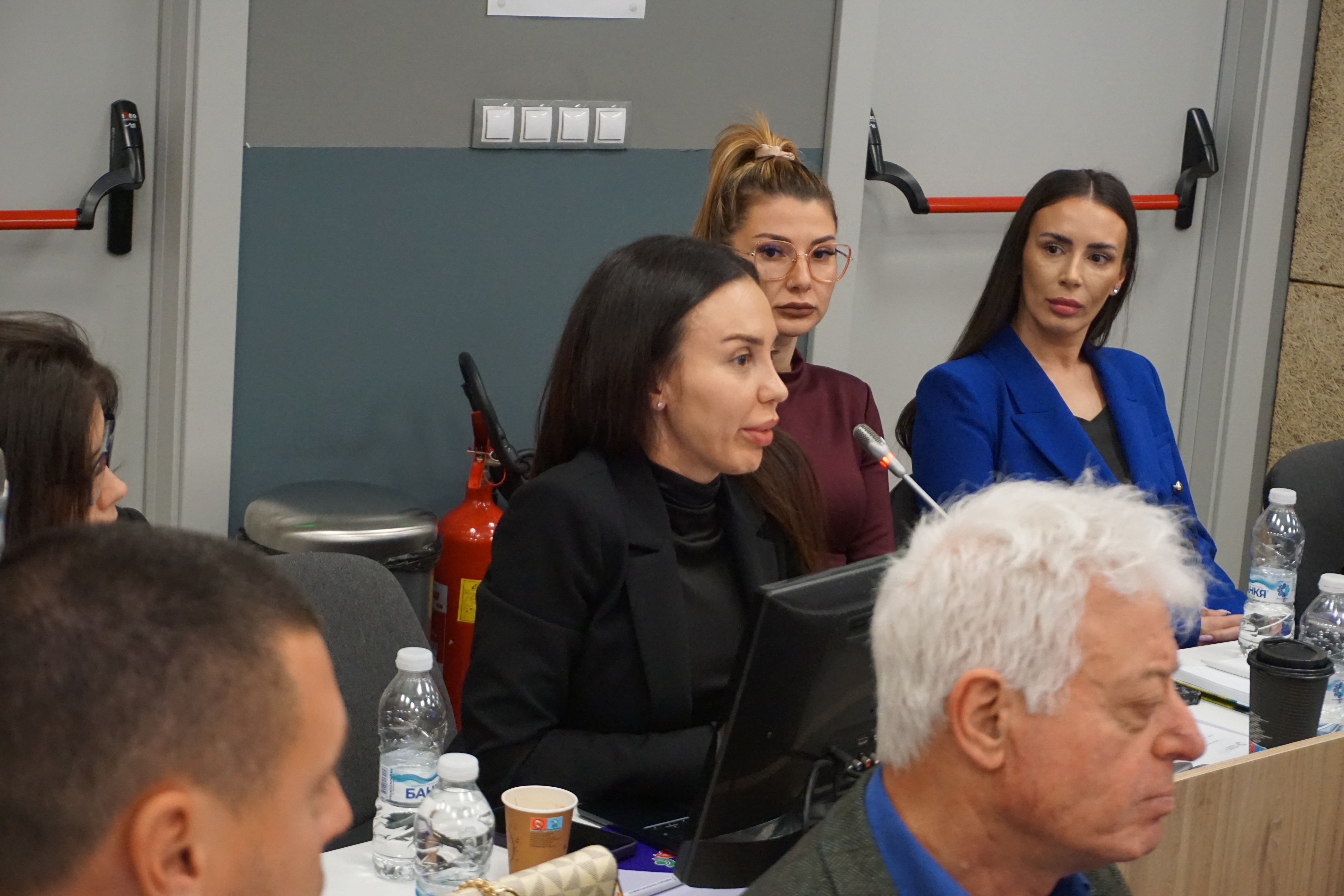
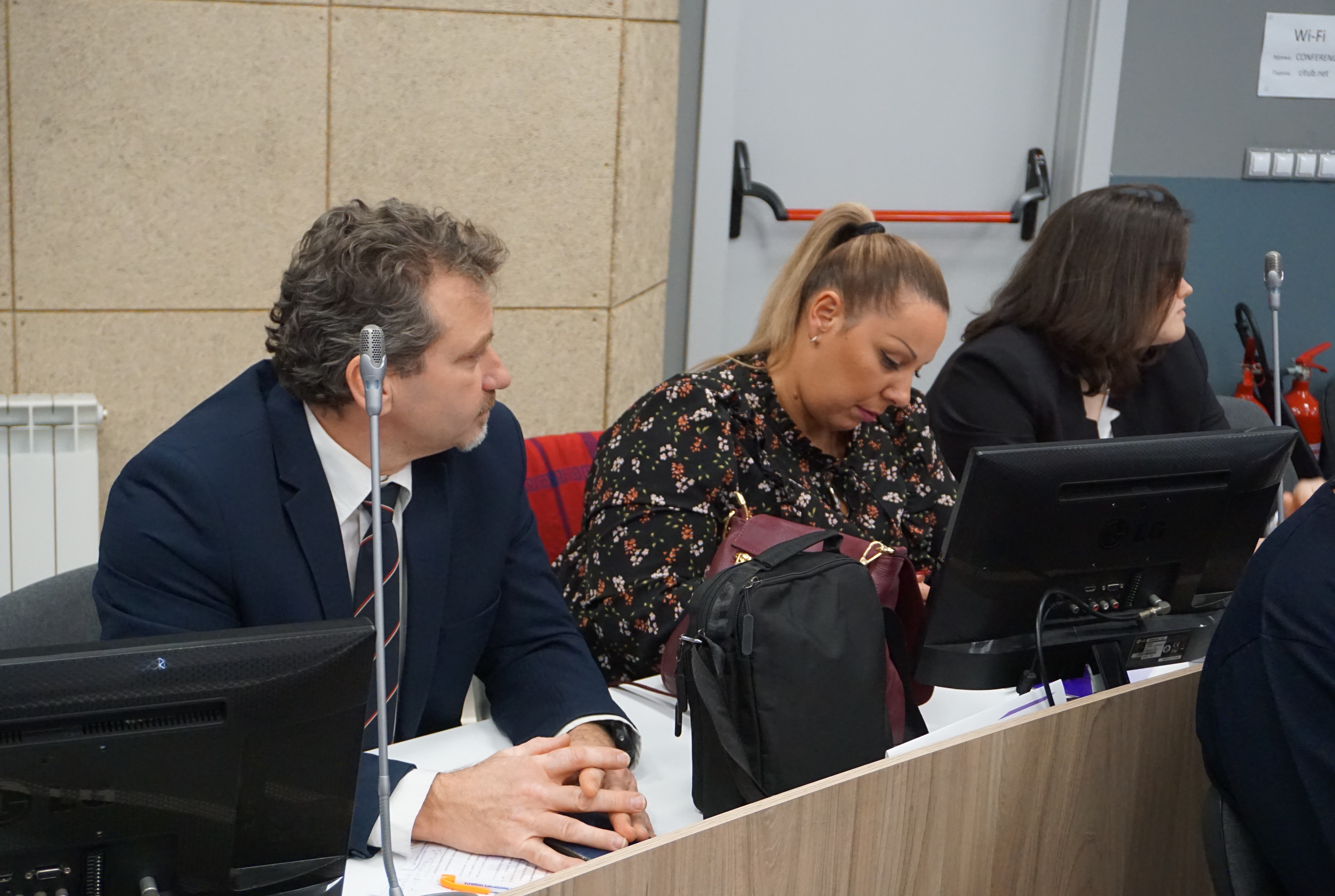
On December 16, 2025, the Federation of Transport Trade Unions and the Confederation of Independent Trade Unions of Bulgaria (CITUB) organized a roundtable on the theme "Electrification of Urban Transport – Road to Green and Sustainable Mobility"
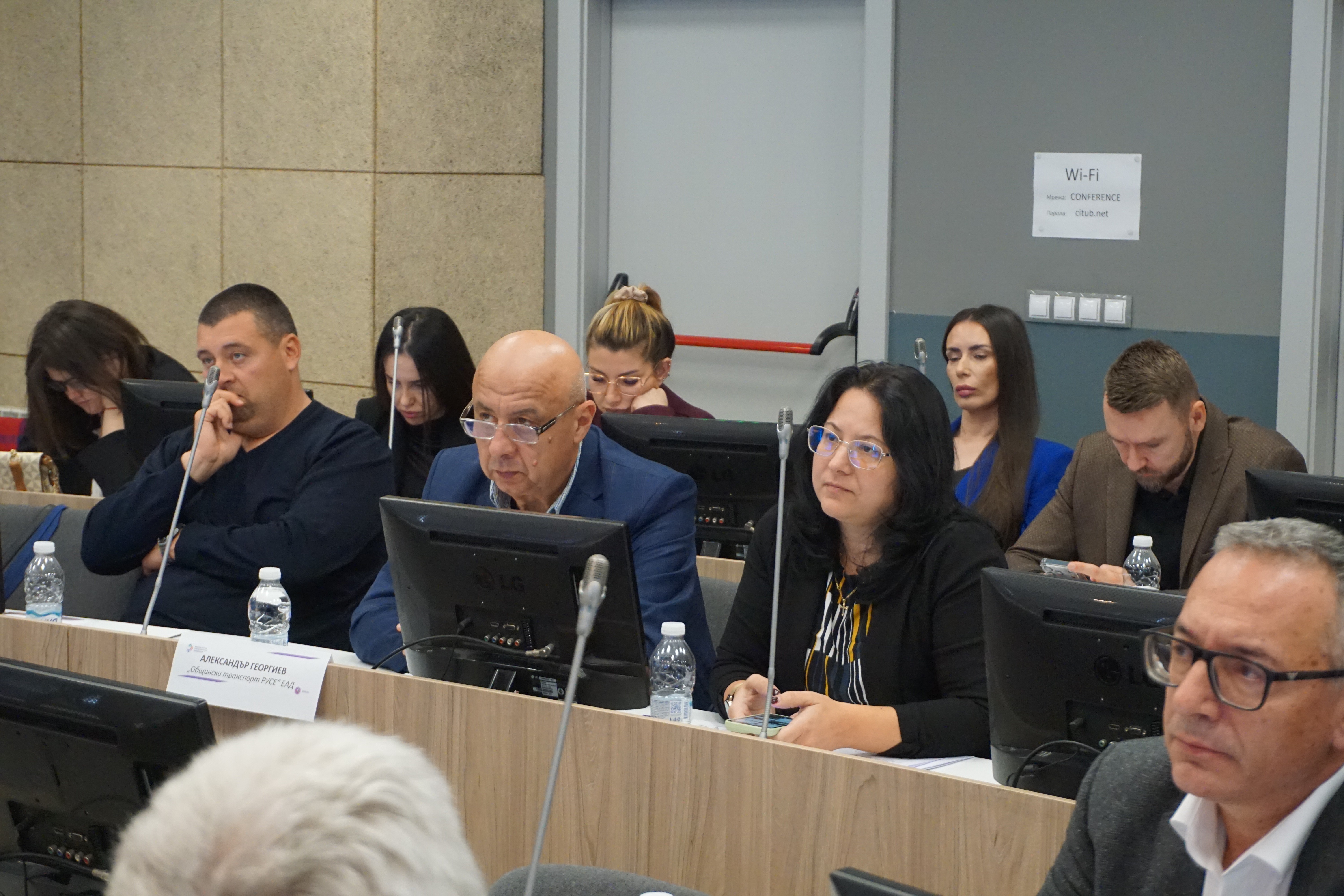
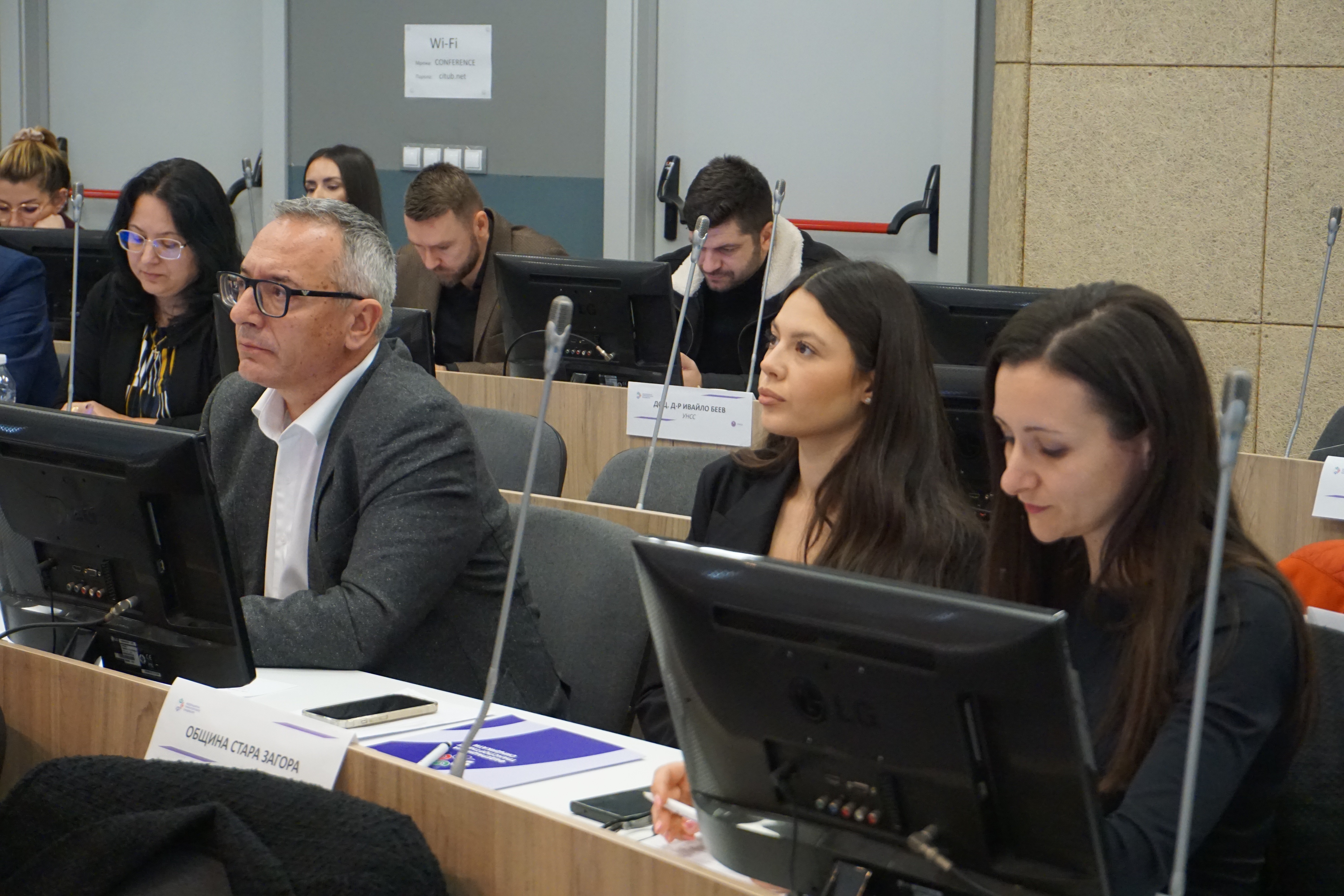
Participants included representatives of local administrations from Ruse, Stara Zagora, Pleven, representatives of "Metropolitan", "Stolichen Elektrotransport", "Stolichen Avtotransport", Burgasbus, "Trolleybus Transport-Pleven", Municipal Transport – Ruse, "VTU Todor Kableshkov", UNWE, etc.
Unfortunately, there was no representative of the Sofia Municipality at the event, which once again shows the lack of sustainable social dialogue and commitment on their part on topics of importance to the sector. Their absence deprived participants of the opportunity for a direct exchange of views and good practices and highlighted the need for more active participation of municipal institutions in similar professional forums.
The forum was moderated by the Vice President of CITUB, Ognyan Atanasov, who touched upon issues related to the transition to electromobility as a key element of European and national policies for the decarbonization of transport. "It has a strong social dimension as it affects access to mobility, transport costs, and working conditions in the sector. Its effective implementation requires an integrated approach that combines environmental, social, and labor policies," he pointed out.
The transition to cleaner, more efficient, and more reliable transport systems is not only a technological or organizational challenge. It is a strategic process supported by European cohesion policies. In recent years, it is the Cohesion Funds that have become the main driver for the modernization of municipal transport infrastructure in Bulgaria – from the large-scale development of the metro, through the introduction of electric buses and trolleybuses, to the construction of charging stations, intelligent traffic management systems, and energy efficiency solutions. Thus, Plamen Dimitrov – President of CITUB, opened the roundtable and explained that without the Cohesion Policy, our country would not have had the opportunity to renew bus fleets, modernize trolleybus networks, reduce the energy consumption of rolling stock, and sustainably reduce emissions.
Dimitrov pointed out that there are also a number of other funding opportunities for the development of electric transport, which will be discussed within the framework of the forum. Among them is the development of public transport using green hydrogen, with financial instruments offered by the Just Transition Fund in the Stara Zagora region with a total budget of 134.6 million euros.
The President of the Federation of Transport Trade Unions, Eng. Aleksandar Shopov, pointed out that recent years clearly show that electric transport systems are no longer the future, but the present, which requires strategic planning, targeted investments, and good coordination among all participants in the process. "Data from transport operators in the country confirm this trend – in some Bulgarian cities, the share of electric vehicles in public transport already exceeds 40%, and the energy efficiency of rolling stock is sustainably improving. We have concrete examples of reducing specific energy consumption from 281 kWh per 100 km to about 161 kWh per 100 km within a decade – a result that clearly shows the importance of modernization, intelligent management, and new technologies," said Shopov, adding that a comprehensive approach is being applied in a number of municipalities, which includes building charging infrastructure, own electricity production from renewable sources, energy storage systems, and digital management of transport processes. It is precisely such integrated solutions that allow for higher energy independence, lower operating costs, and better sustainability of transport operators.
Eng. Aleksandar Shopov stressed that the path to accelerated electrification is also associated with a number of challenges – the need for significant investments, adequate charging and energy infrastructure, digitalization of management, as well as ensuring a smooth and just transition for workers in the sector. "This is exactly where the role of social dialogue, shared experience between municipalities, and good national and European practices is of crucial importance. Trade unions have a key function in this process – as a guarantor for the protection of labor rights, for the participation of workers in planning changes, and for promoting policies for retraining and developing new 'green' skills. Their active involvement is a prerequisite for technological progress to go hand in hand with social sustainability and job security. The examples of cities like Pleven and Burgas show that when there is a consistent policy and partnership between institutions and transport operators, progress is entirely possible," he pointed out.
In addition, the President of the FTTU added that the active participation of CITUB and the Federation of Transport Trade Unions is particularly important – both for defending the interests of workers and for participating in the formulation of sustainable policies that combine the modernization of the sector with decent working conditions, job security, and the development of human capital. "Our goal is to outline realistic steps and concrete solutions for cleaner, more convenient, and more efficient urban transport," he explained.
Good practices were presented from the cities of Burgas, Pleven, and Stara Zagora. The Deputy Director of "Burgasbus" – Eng. Lyubomir Atanasov, presented the development of the company from 2012 to today. In his presentation, he focused on key stages of the modernization of urban transport in Burgas, including the introduction of an electronic ticketing system, the construction of a photovoltaic power plant, as well as the complete renewal of the vehicle fleet.
Eng. Angel Nestorov from "Trolleybus Transport – Pleven" acquainted the participants with the development of the company, the state of the transport infrastructure, the implemented technologies, and the key stages in the period 2014–2025. In his presentation, he also introduced the planned future projects, including the delivery of new vehicles aimed at increasing the quality and sustainability of public transport. Special emphasis was placed on the upcoming introduction in 2026 of a cashless payment system on board via debit cards, which will facilitate passengers and modernize the service.
Georgi Stanchev – Manager of "Trolleybus and Bus Transport" – Stara Zagora, presented the activities and main directions in the work of the company. Among the most serious challenges facing the enterprise remains the shortage of qualified personnel, which hinders the normal functioning and development of the service. In the near future, a procedure is to be launched for the introduction of a card payment system, as well as the construction of a photovoltaic park with the aim of increasing energy efficiency and reducing costs. Regarding hydrogen technologies, the project is currently frozen, but is expected to be developed in a subsequent stage depending on available funding and national policies in the sector.
Eng. Aleksandar Shopov emphasized the importance of collective bargaining and the signed agreements with the mayors of the municipalities of Varna and Ruse, which are a key instrument for ensuring stability and predictability in the public transport sector. They ensure the protection of incomes, working conditions, and social benefits of workers in the context of rapid technological and organizational changes. Through these agreements, CITUB and FTTU defend local government commitments to investing in human capital, training, and job preservation. It is precisely the social partnership at the local level that turns the modernization of transport into a fair and sustainable process, oriented towards both citizens and the people working in the system.
In conclusion, Eng. Shopov added that a document with concrete proposals will be prepared and sent to all participants in order for them to provide their additions, notes, and recommendations. After summarizing them, the document will be finalized and officially sent, as well as presented to the responsible institutions, in order to serve as a basis for subsequent actions and decisions.
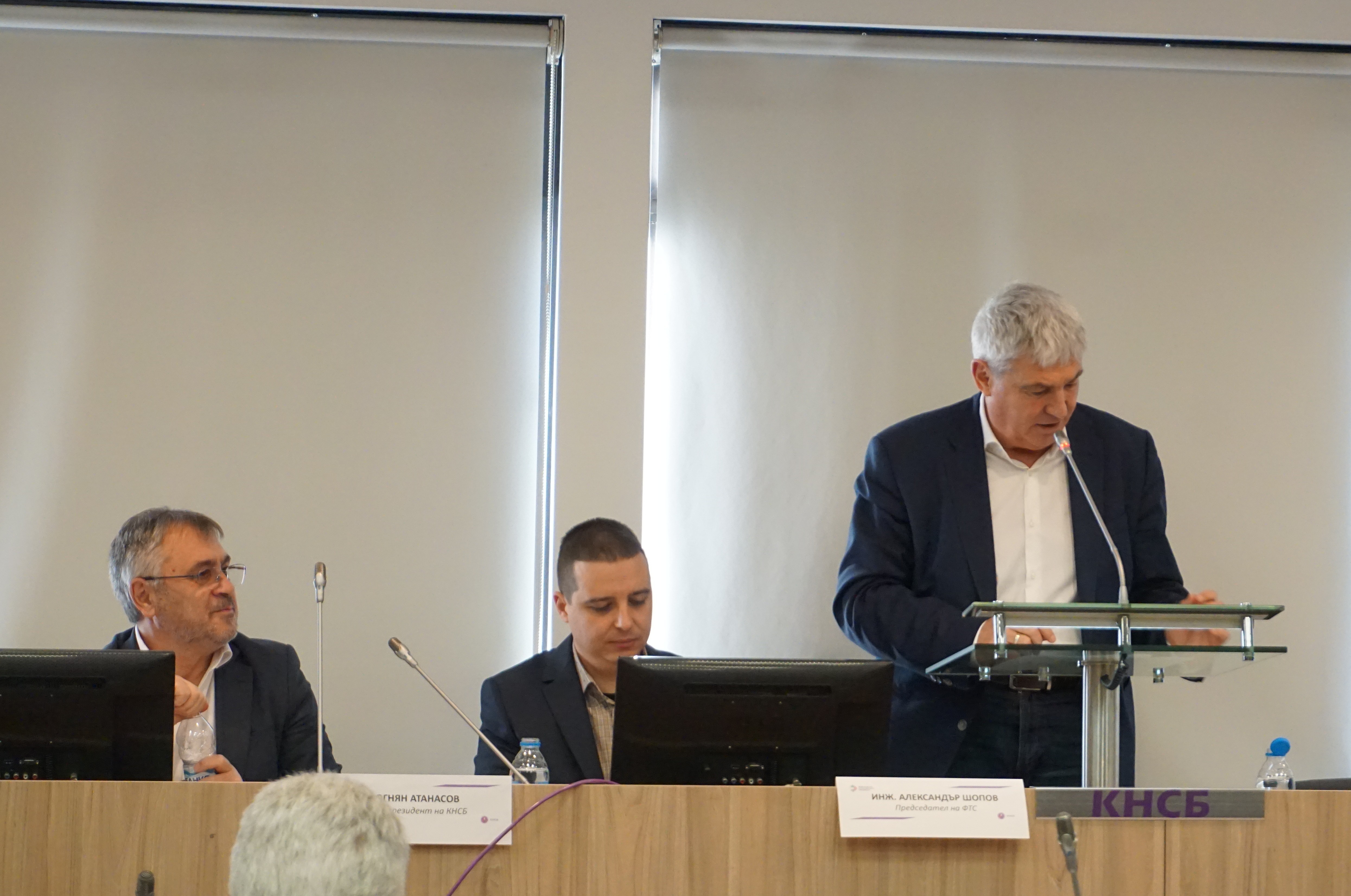
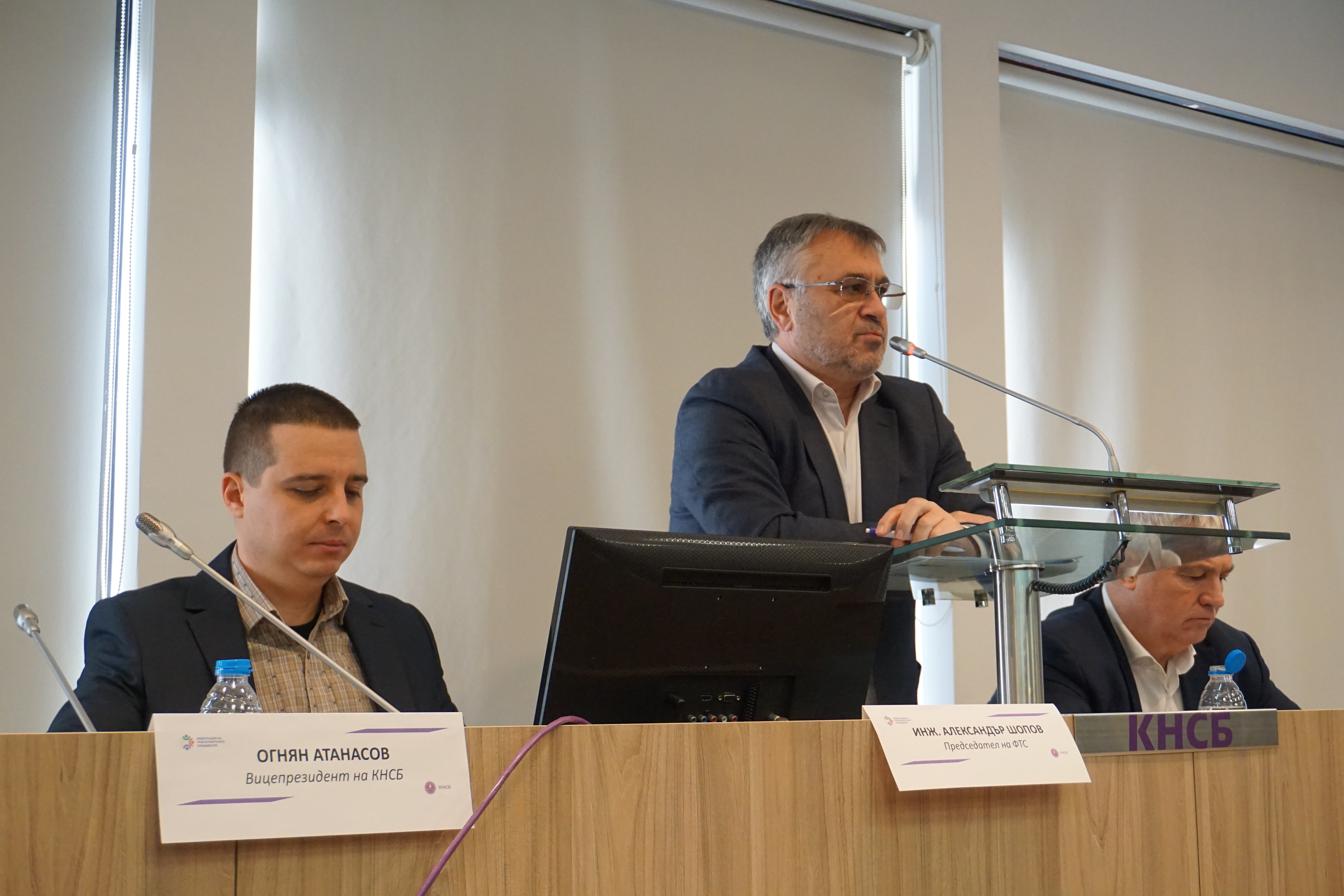
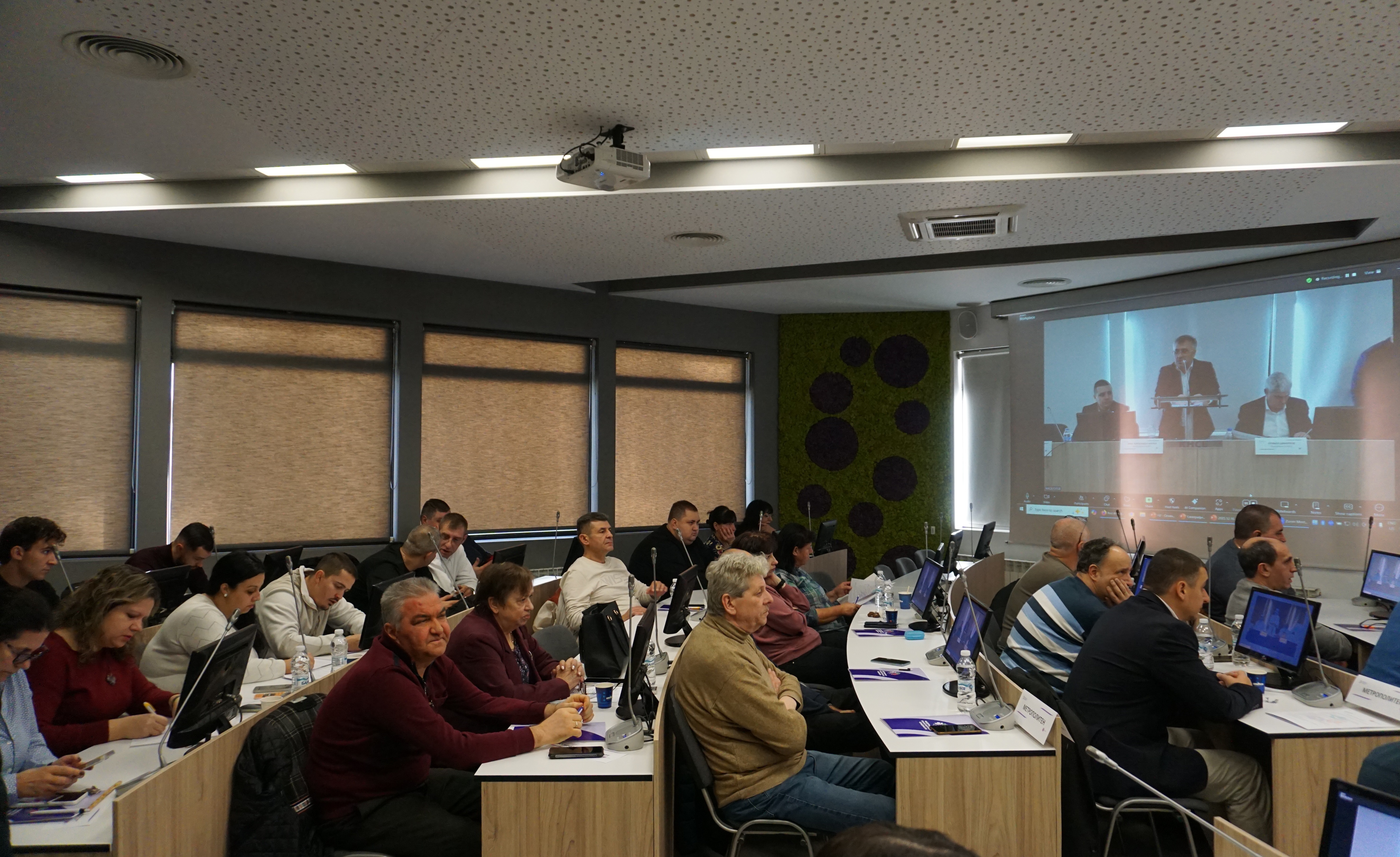


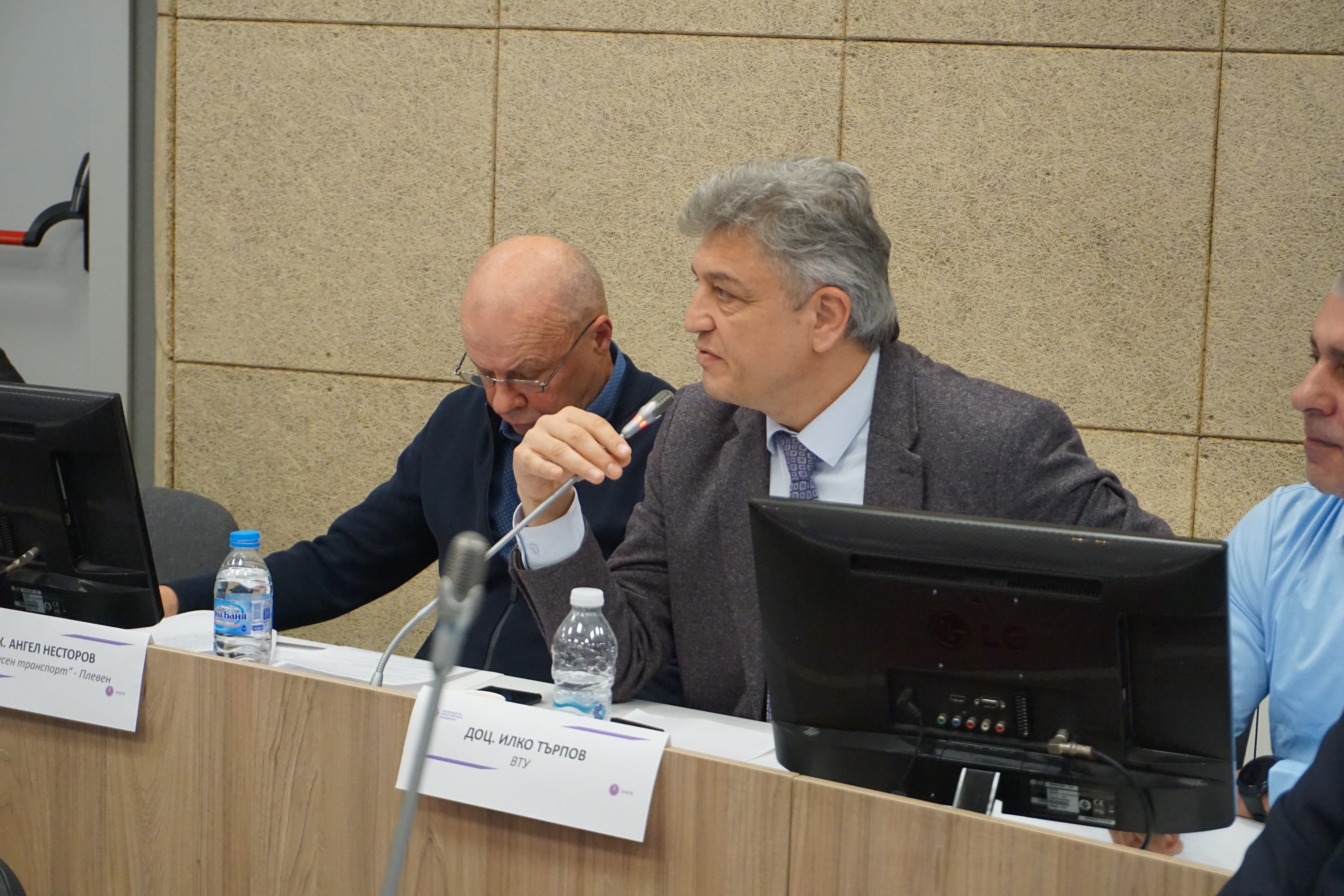
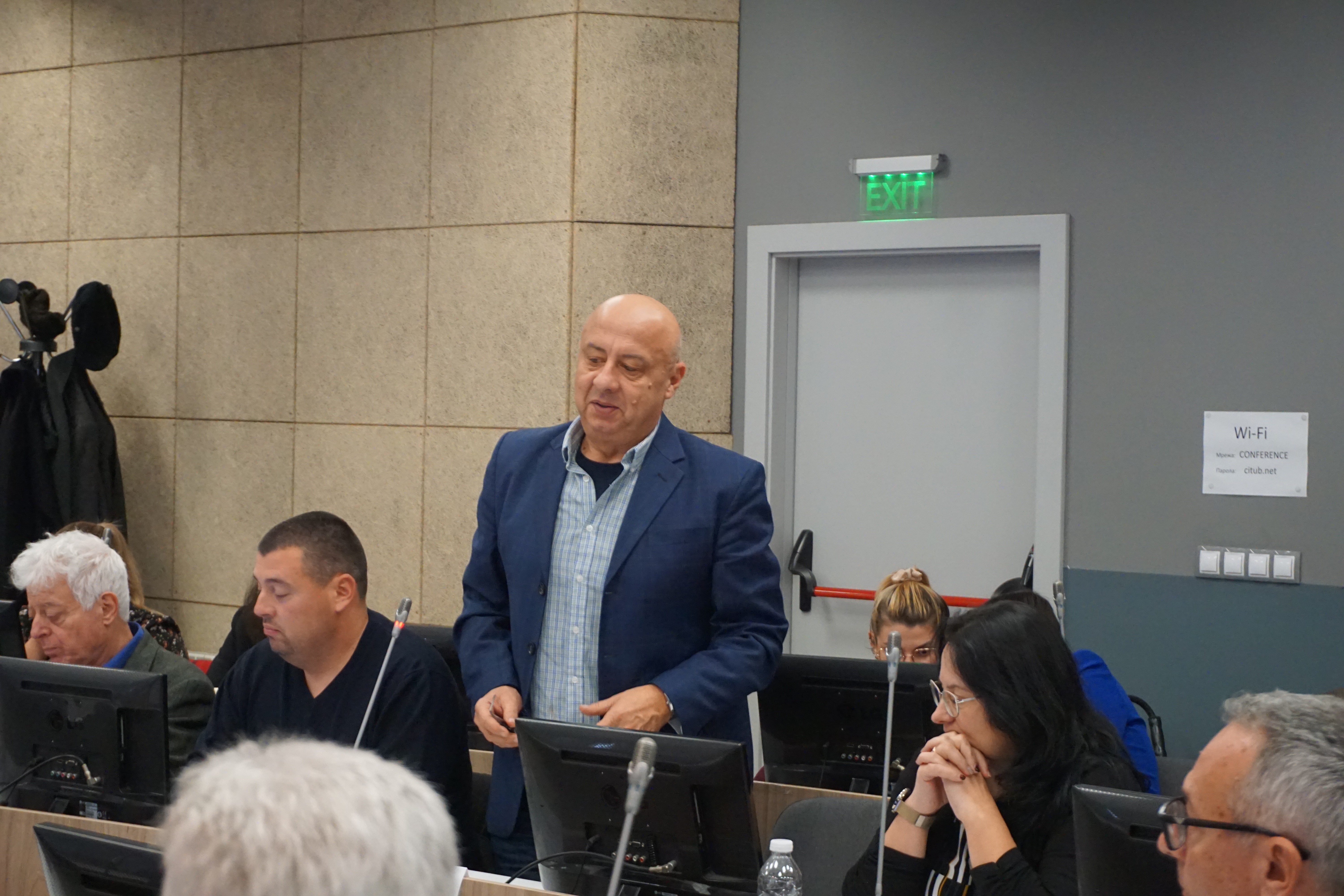
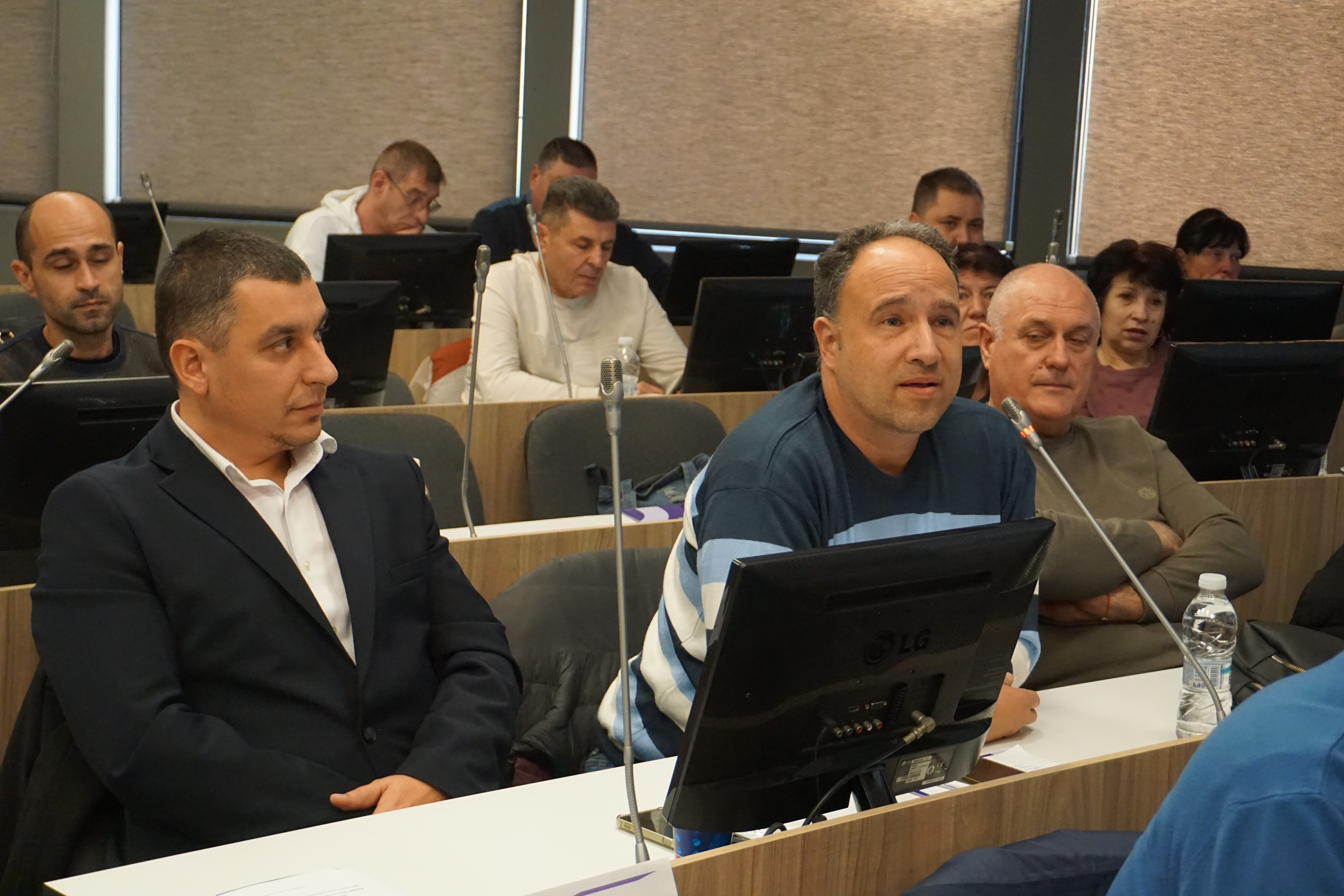
On December 16, 2025, the Federation of Transport Trade Unions and the Confederation of Independent Trade Unions of Bulgaria (CITUB) organized a roundtable on the theme "Electrification of Urban Transport – Road to Green and Sustainable Mobility"
Participants included representatives of local administrations from Ruse, Stara Zagora, Pleven, representatives of "Metropolitan", "Stolichen Elektrotransport", "Stolichen Avtotransport", Burgasbus, "Trolleybus Transport-Pleven", Municipal Transport – Ruse, "VTU Todor Kableshkov", UNWE, etc.
Unfortunately, there was no representative of the Sofia Municipality at the event, which once again shows the lack of sustainable social dialogue and commitment on their part on topics of importance to the sector. Their absence deprived participants of the opportunity for a direct exchange of views and good practices and highlighted the need for more active participation of municipal institutions in similar professional forums.
The forum was moderated by the Vice President of CITUB, Ognyan Atanasov, who touched upon issues related to the transition to electromobility as a key element of European and national policies for the decarbonization of transport. "It has a strong social dimension as it affects access to mobility, transport costs, and working conditions in the sector. Its effective implementation requires an integrated approach that combines environmental, social, and labor policies," he pointed out.
The transition to cleaner, more efficient, and more reliable transport systems is not only a technological or organizational challenge. It is a strategic process supported by European cohesion policies. In recent years, it is the Cohesion Funds that have become the main driver for the modernization of municipal transport infrastructure in Bulgaria – from the large-scale development of the metro, through the introduction of electric buses and trolleybuses, to the construction of charging stations, intelligent traffic management systems, and energy efficiency solutions. Thus, Plamen Dimitrov – President of CITUB, opened the roundtable and explained that without the Cohesion Policy, our country would not have had the opportunity to renew bus fleets, modernize trolleybus networks, reduce the energy consumption of rolling stock, and sustainably reduce emissions.
Dimitrov pointed out that there are also a number of other funding opportunities for the development of electric transport, which will be discussed within the framework of the forum. Among them is the development of public transport using green hydrogen, with financial instruments offered by the Just Transition Fund in the Stara Zagora region with a total budget of 134.6 million euros.
The President of the Federation of Transport Trade Unions, Eng. Aleksandar Shopov, pointed out that recent years clearly show that electric transport systems are no longer the future, but the present, which requires strategic planning, targeted investments, and good coordination among all participants in the process. "Data from transport operators in the country confirm this trend – in some Bulgarian cities, the share of electric vehicles in public transport already exceeds 40%, and the energy efficiency of rolling stock is sustainably improving. We have concrete examples of reducing specific energy consumption from 281 kWh per 100 km to about 161 kWh per 100 km within a decade – a result that clearly shows the importance of modernization, intelligent management, and new technologies," said Shopov, adding that a comprehensive approach is being applied in a number of municipalities, which includes building charging infrastructure, own electricity production from renewable sources, energy storage systems, and digital management of transport processes. It is precisely such integrated solutions that allow for higher energy independence, lower operating costs, and better sustainability of transport operators.
Eng. Aleksandar Shopov stressed that the path to accelerated electrification is also associated with a number of challenges – the need for significant investments, adequate charging and energy infrastructure, digitalization of management, as well as ensuring a smooth and just transition for workers in the sector. "This is exactly where the role of social dialogue, shared experience between municipalities, and good national and European practices is of crucial importance. Trade unions have a key function in this process – as a guarantor for the protection of labor rights, for the participation of workers in planning changes, and for promoting policies for retraining and developing new 'green' skills. Their active involvement is a prerequisite for technological progress to go hand in hand with social sustainability and job security. The examples of cities like Pleven and Burgas show that when there is a consistent policy and partnership between institutions and transport operators, progress is entirely possible," he pointed out.
In addition, the President of the FTTU added that the active participation of CITUB and the Federation of Transport Trade Unions is particularly important – both for defending the interests of workers and for participating in the formulation of sustainable policies that combine the modernization of the sector with decent working conditions, job security, and the development of human capital. "Our goal is to outline realistic steps and concrete solutions for cleaner, more convenient, and more efficient urban transport," he explained.
Good practices were presented from the cities of Burgas, Pleven, and Stara Zagora. The Deputy Director of "Burgasbus" – Eng. Lyubomir Atanasov, presented the development of the company from 2012 to today. In his presentation, he focused on key stages of the modernization of urban transport in Burgas, including the introduction of an electronic ticketing system, the construction of a photovoltaic power plant, as well as the complete renewal of the vehicle fleet.
Eng. Angel Nestorov from "Trolleybus Transport – Pleven" acquainted the participants with the development of the company, the state of the transport infrastructure, the implemented technologies, and the key stages in the period 2014–2025. In his presentation, he also introduced the planned future projects, including the delivery of new vehicles aimed at increasing the quality and sustainability of public transport. Special emphasis was placed on the upcoming introduction in 2026 of a cashless payment system on board via debit cards, which will facilitate passengers and modernize the service.
Georgi Stanchev – Manager of "Trolleybus and Bus Transport" – Stara Zagora, presented the activities and main directions in the work of the company. Among the most serious challenges facing the enterprise remains the shortage of qualified personnel, which hinders the normal functioning and development of the service. In the near future, a procedure is to be launched for the introduction of a card payment system, as well as the construction of a photovoltaic park with the aim of increasing energy efficiency and reducing costs. Regarding hydrogen technologies, the project is currently frozen, but is expected to be developed in a subsequent stage depending on available funding and national policies in the sector.
Eng. Aleksandar Shopov emphasized the importance of collective bargaining and the signed agreements with the mayors of the municipalities of Varna and Ruse, which are a key instrument for ensuring stability and predictability in the public transport sector. They ensure the protection of incomes, working conditions, and social benefits of workers in the context of rapid technological and organizational changes. Through these agreements, CITUB and FTTU defend local government commitments to investing in human capital, training, and job preservation. It is precisely the social partnership at the local level that turns the modernization of transport into a fair and sustainable process, oriented towards both citizens and the people working in the system.
In conclusion, Eng. Shopov added that a document with concrete proposals will be prepared and sent to all participants in order for them to provide their additions, notes, and recommendations. After summarizing them, the document will be finalized and officially sent, as well as presented to the responsible institutions, in order to serve as a basis for subsequent actions and decisions.

Justice • Solidarity • Development

QUICK LINKS
Accessibility
Terms of Use
Permissible use
Mutual Respect Policy
©2025-2026, Federation of Transport and Trade Unions,
All rights reserved.
Justice • Solidarity • Development
QUICK LINKS
Accessibility
Terms of Use
Permissible use
Mutual Respect Policy
©2025-2026, Federation of Transport and Trade Unions, All rights reserved.
Justice • Solidarity • Development
QUICK LINKS
Accessibility
Terms of Use
Permissible use
Mutual Respect Policy
©2025-2026, Federation of Transport and Trade Unions, All rights reserved.
Justice • Solidarity • Development
QUICK LINKS
Accessibility
Terms of Use
Permissible use
Mutual Respect Policy
©2025-2026, Federation of Transport and Trade Unions, All rights reserved.
Justice • Solidarity • Development
QUICK LINKS
Accessibility
Terms of Use
Permissible use
Mutual Respect Policy
©2025-2026, Federation of Transport and Trade Unions, All rights reserved.