

Back
FTTU took part in an international forum organized by the ETUC on just transition and the future of employment in the green transformation
FTTU took part in an international forum organized by the ETUC on just transition and the future of employment in the green transformation
FTTU took part in an international forum organized by the ETUC on just transition and the future of employment in the green transformation
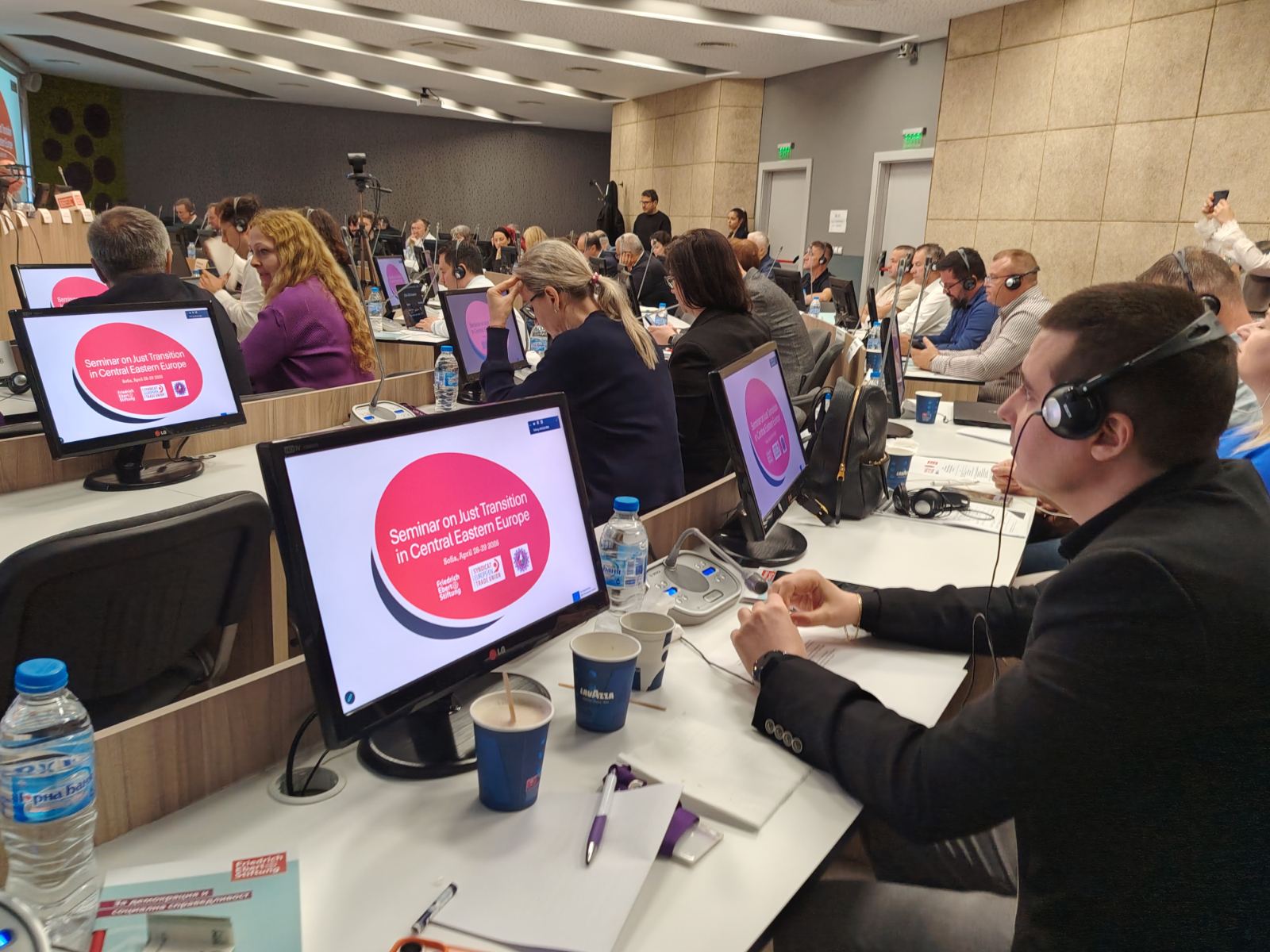
On April 28 and 29, the international seminar "Just Transition", organized by the ETUC, was held at the headquarters of the CITUB, with the participation of representatives of trade unions and public organizations from Croatia, Hungary, Spain, Romania, Serbia, Greece, North Macedonia, Montenegro, Bosnia and Herzegovina, Belgium, Georgia, and Bulgaria.
The forum brought together experts, trade union leaders, and representatives of institutions from Bulgaria and the European Union to discuss the challenges and opportunities facing workers in the context of a green and socially just transition.
The seminar was opened by Ludovic Voet, Confederal Secretary of the European Trade Union Confederation (ETUC), and Plamen Dimitrov, President of CITUB. Key panel discussions were held during the event with the participation of representatives of Bulgarian institutions, European organizations, and employers, dedicated to the impact of the just transition on the different regions of Europe, including Central and Eastern Europe and the Balkans.
Special emphasis was placed on the state of the coal mining industry, the need for retraining workers, social protection, and the opportunities for building sustainable economic models. Good European practices, including Spain's experience, as well as analyses on the Just Transition Directive, were presented.
The participation of the President of the FTTU, Eng. Aleksandar Shopov, was part of the representation of branch organizations within the seminar.
For the FTTU, the topic of just transition remains of essential importance in view of the future of the transport sector. In this context, the challenges related to decarbonization processes and their impact on employment stand out. At the same time, the role of trade unions and the need for balanced policies that guarantee sustainable development and social protection are emphasized, including through a fairer targeting of investments to the most affected regions and workers.
The transport sector is among the key areas in which the transition to a low-carbon economy must be carefully planned so that it does not lead to social upheaval, job losses, or deepening of regional inequalities. Long-term policies are needed that combine the modernization of transport with guarantees for decent employment, qualification, and protection of workers.
Representatives of international organizations exchanged experience on different national approaches to just transition, noting that the successful implementation of green policies requires an active social dialogue, strong participation of trade unions, and real investments in the people and regions affected by the economic transformation.
During the forum, it was reaffirmed that just transition should not be viewed solely as an environmental policy, but as a comprehensive socio-economic process that puts people at the center of change. For the FTTU, the topic remains particularly significant, as transport plays a strategic role both for economic development and for the sustainable future of European societies.
The seminar reinforced the role of trade unions as a key partner in the processes of just transition, placing social security, quality employment, and the protection of workers at the center of the green transformation.
The participation of the FTTU once again confirmed the federation's commitment to protecting the interests of transport workers and its active participation in the formulation of policies for sustainable and socially responsible development in the sector.
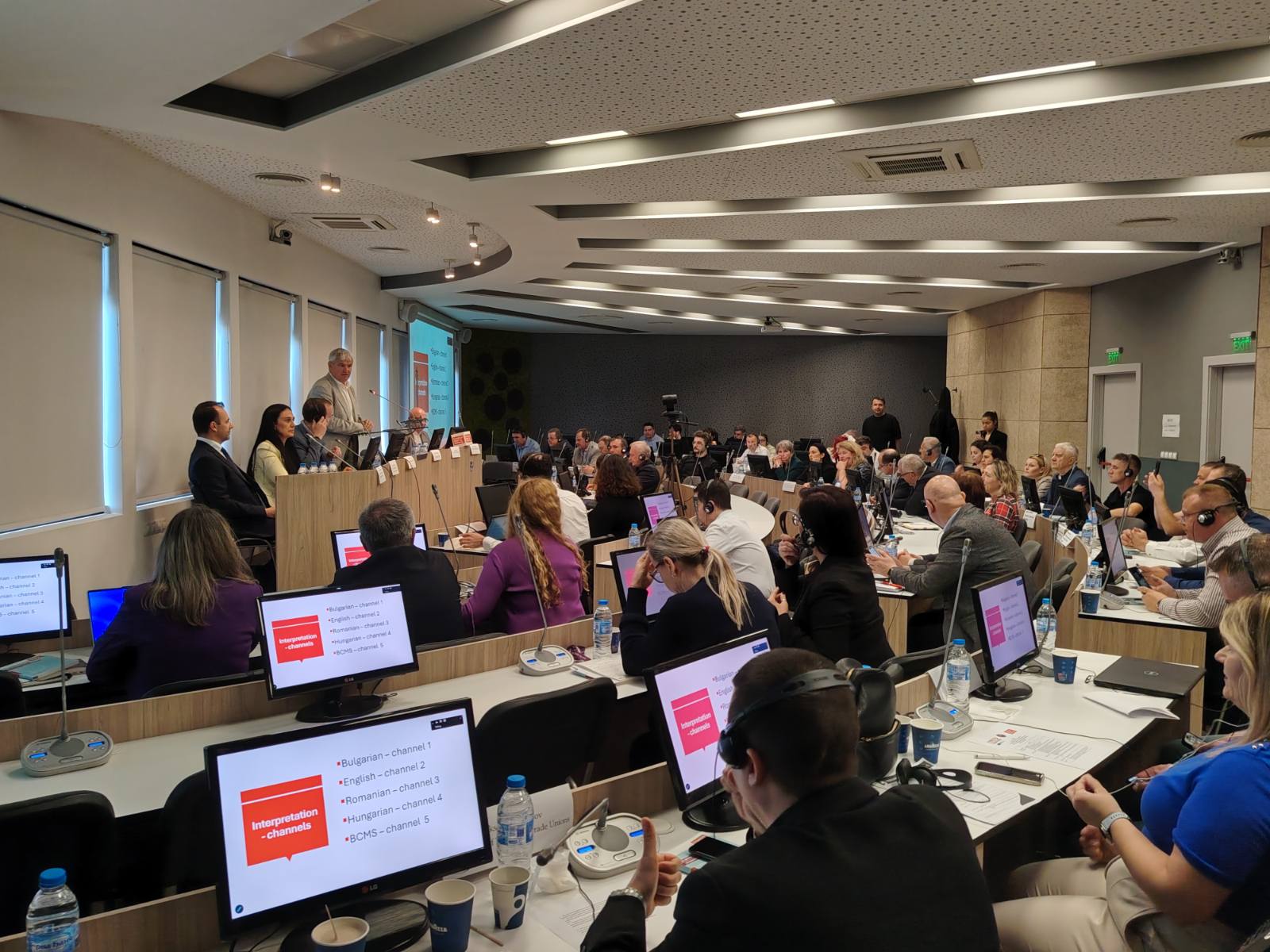
On April 28 and 29, the international seminar "Just Transition", organized by the ETUC, was held at the headquarters of the CITUB, with the participation of representatives of trade unions and public organizations from Croatia, Hungary, Spain, Romania, Serbia, Greece, North Macedonia, Montenegro, Bosnia and Herzegovina, Belgium, Georgia, and Bulgaria.
The forum brought together experts, trade union leaders, and representatives of institutions from Bulgaria and the European Union to discuss the challenges and opportunities facing workers in the context of a green and socially just transition.
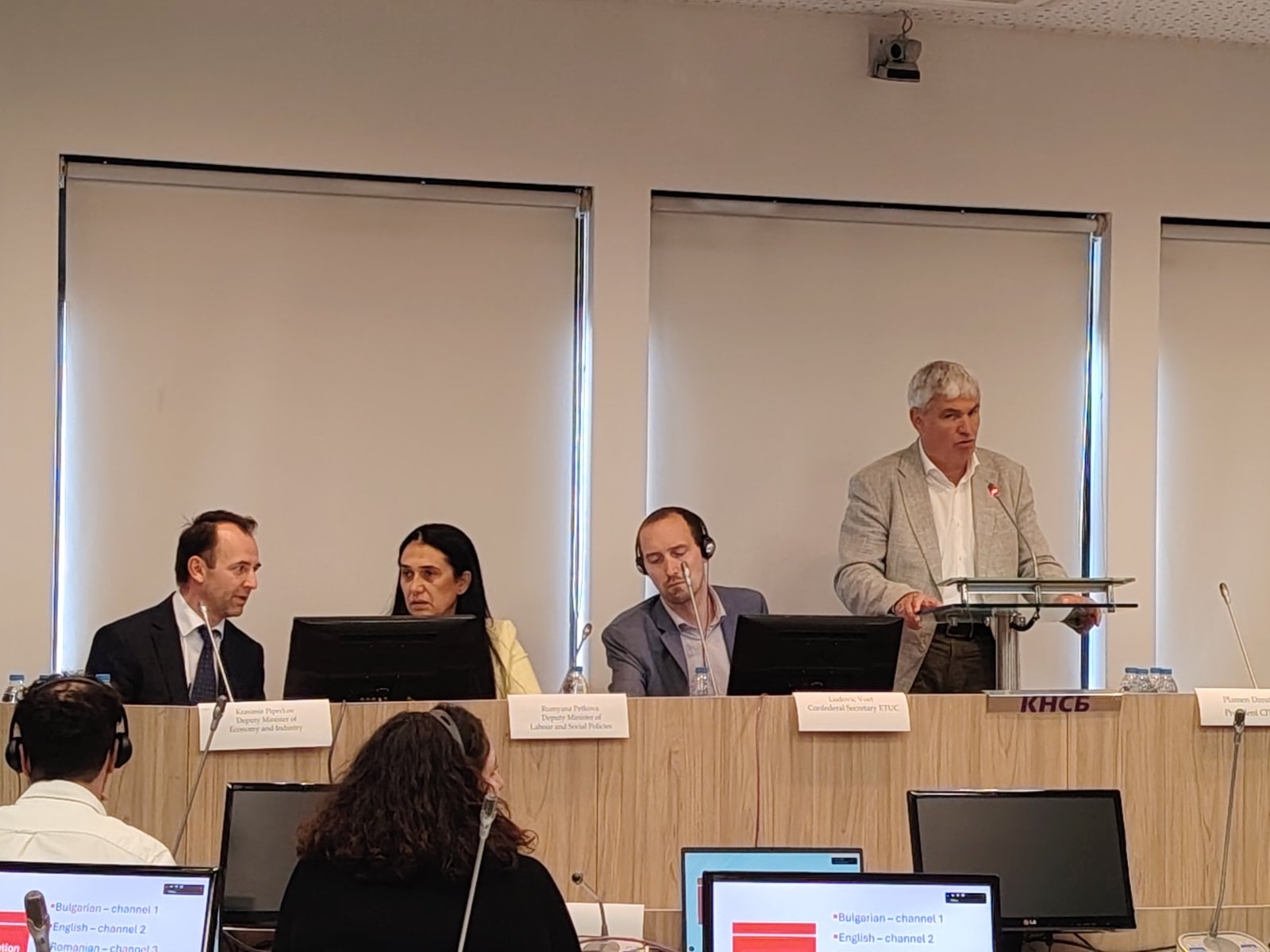
The seminar was opened by Ludovic Voet, Confederal Secretary of the European Trade Union Confederation (ETUC), and Plamen Dimitrov, President of CITUB. Key panel discussions were held during the event with the participation of representatives of Bulgarian institutions, European organizations, and employers, dedicated to the impact of the just transition on the different regions of Europe, including Central and Eastern Europe and the Balkans.
Special emphasis was placed on the state of the coal mining industry, the need for retraining workers, social protection, and the opportunities for building sustainable economic models. Good European practices, including Spain's experience, as well as analyses on the Just Transition Directive, were presented.
The participation of the President of the FTTU, Eng. Aleksandar Shopov, was part of the representation of branch organizations within the seminar.
For the FTTU, the topic of just transition remains of essential importance in view of the future of the transport sector. In this context, the challenges related to decarbonization processes and their impact on employment stand out. At the same time, the role of trade unions and the need for balanced policies that guarantee sustainable development and social protection are emphasized, including through a fairer targeting of investments to the most affected regions and workers.
The transport sector is among the key areas in which the transition to a low-carbon economy must be carefully planned so that it does not lead to social upheaval, job losses, or deepening of regional inequalities. Long-term policies are needed that combine the modernization of transport with guarantees for decent employment, qualification, and protection of workers.
Representatives of international organizations exchanged experience on different national approaches to just transition, noting that the successful implementation of green policies requires an active social dialogue, strong participation of trade unions, and real investments in the people and regions affected by the economic transformation.
During the forum, it was reaffirmed that just transition should not be viewed solely as an environmental policy, but as a comprehensive socio-economic process that puts people at the center of change. For the FTTU, the topic remains particularly significant, as transport plays a strategic role both for economic development and for the sustainable future of European societies.
The seminar reinforced the role of trade unions as a key partner in the processes of just transition, placing social security, quality employment, and the protection of workers at the center of the green transformation.
The participation of the FTTU once again confirmed the federation's commitment to protecting the interests of transport workers and its active participation in the formulation of policies for sustainable and socially responsible development in the sector.

Justice • Solidarity • Development

QUICK LINKS
Accessibility
Terms of Use
Permissible use
Mutual Respect Policy
©2025-2026, Federation of Transport and Trade Unions,
All rights reserved.
Justice • Solidarity • Development
QUICK LINKS
Accessibility
Terms of Use
Permissible use
Mutual Respect Policy
©2025-2026, Federation of Transport and Trade Unions,
All rights reserved.
Justice • Solidarity • Development
QUICK LINKS
Accessibility
Terms of Use
Permissible use
Mutual Respect Policy
©2025-2026, Federation of Transport and Trade Unions, All rights reserved.
Justice • Solidarity • Development
QUICK LINKS
Accessibility
Terms of Use
Permissible use
Mutual Respect Policy
©2025-2026, Federation of Transport and Trade Unions, All rights reserved.
Justice • Solidarity • Development
QUICK LINKS
Accessibility
Terms of Use
Permissible use
Mutual Respect Policy
©2025-2026, Federation of Transport and Trade Unions, All rights reserved.