

Back
FTTU presented its position in the Transport Commission of the National Assembly
FTTU presented its position in the Transport Commission of the National Assembly
FTTU presented its position in the Transport Commission of the National Assembly
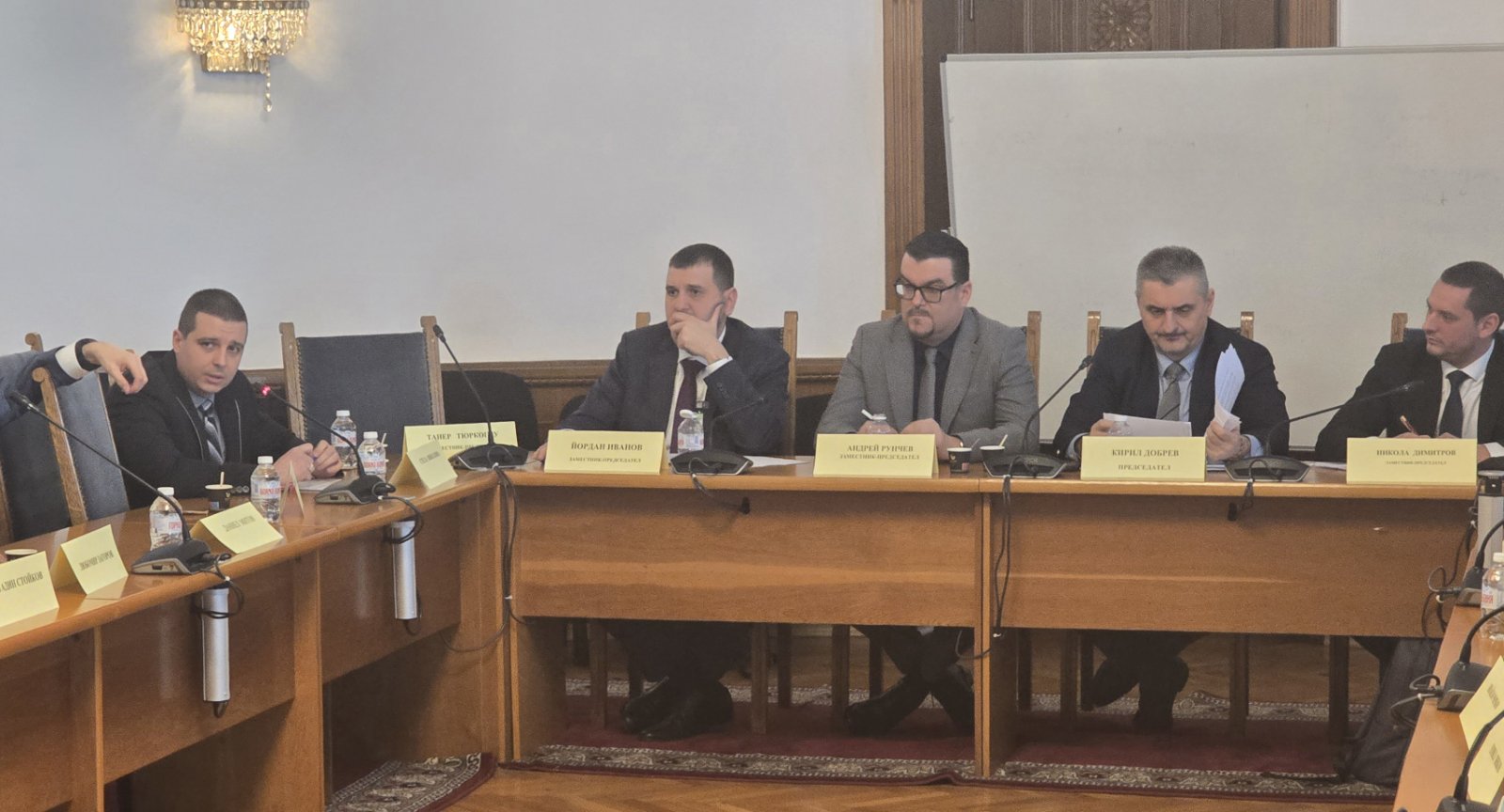
The Chairman of FTTU, Eng. Aleksandar Shopov, participated in a meeting of the parliamentary Transport Committee, where he presented the position of the Federation of Transport Trade Unions to CITUB on the draft of the new Law on Public Transport.
During the meeting, FTTU expressed serious concerns regarding a number of weaknesses in the draft law, which could have a direct impact on those working in the sector, the development of municipal transport enterprises, and the sustainability of the public transport system.
Among the main problems pointed out by the trade union is the lack of real participation of the social partners in the drafting of the law. The project was developed without timely consultations with the trade union organizations and without expert discussions within the sectoral format of the National Council for Tripartite Cooperation, despite affecting the working conditions and employment of thousands of workers in the sector.
FTTU also highlighted the lack of social criteria in awarding public service contracts, which creates a risk of public tenders being won through lower labor costs. According to the union, the law must include requirements for minimum labor standards, the presence of collective bargaining agreements, and social criteria in public procurement.
Particular attention was paid to the risks for the future of municipal transport enterprises. In its current form, the draft law places the mechanism for awarding services to an internal (in-house) operator in a more unfavorable position compared to the procedures under the Public Procurement Act and the Concessions Act, which could lead to a limitation of municipal autonomy and the gradual displacement of municipal operators.
The Federation also raised the issue of the risks of unregulated platform models entering the so-called on-demand transport, as well as the lack of clear guarantees that these services can be performed by municipal operators.
In its position, FTTU also draws attention to the lack of a concept for transport poverty, meaning that the draft law does not provide for sufficient measures to guarantee access to transport for vulnerable groups and for settlements with limited transport connectivity.
Among the other problems pointed out by the trade union are the excessive centralization of system management, insufficient mechanisms for public control over the spending of public funds, and the transfer of numerous key issues to future secondary legislation.
FTTU emphasized that public transport is a service of general economic interest and the future law must guarantee a balance between economic efficiency, the social protection of workers, and citizens' access to quality transport.
The Federation will submit specific proposals for changes to the draft law in writing between the first and second readings and expects the members of parliament to comply with the position of the trade unions and the interests of the workers in the sector.
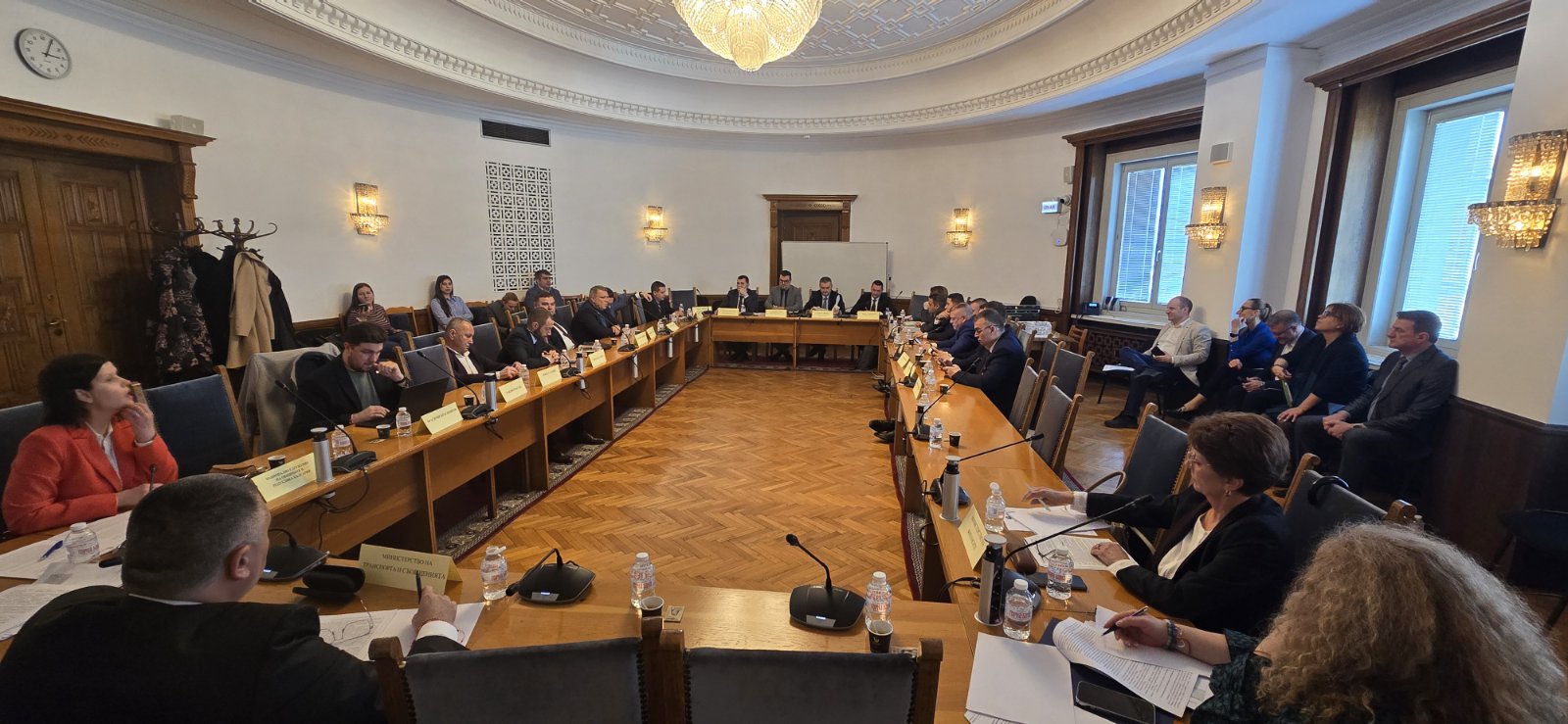
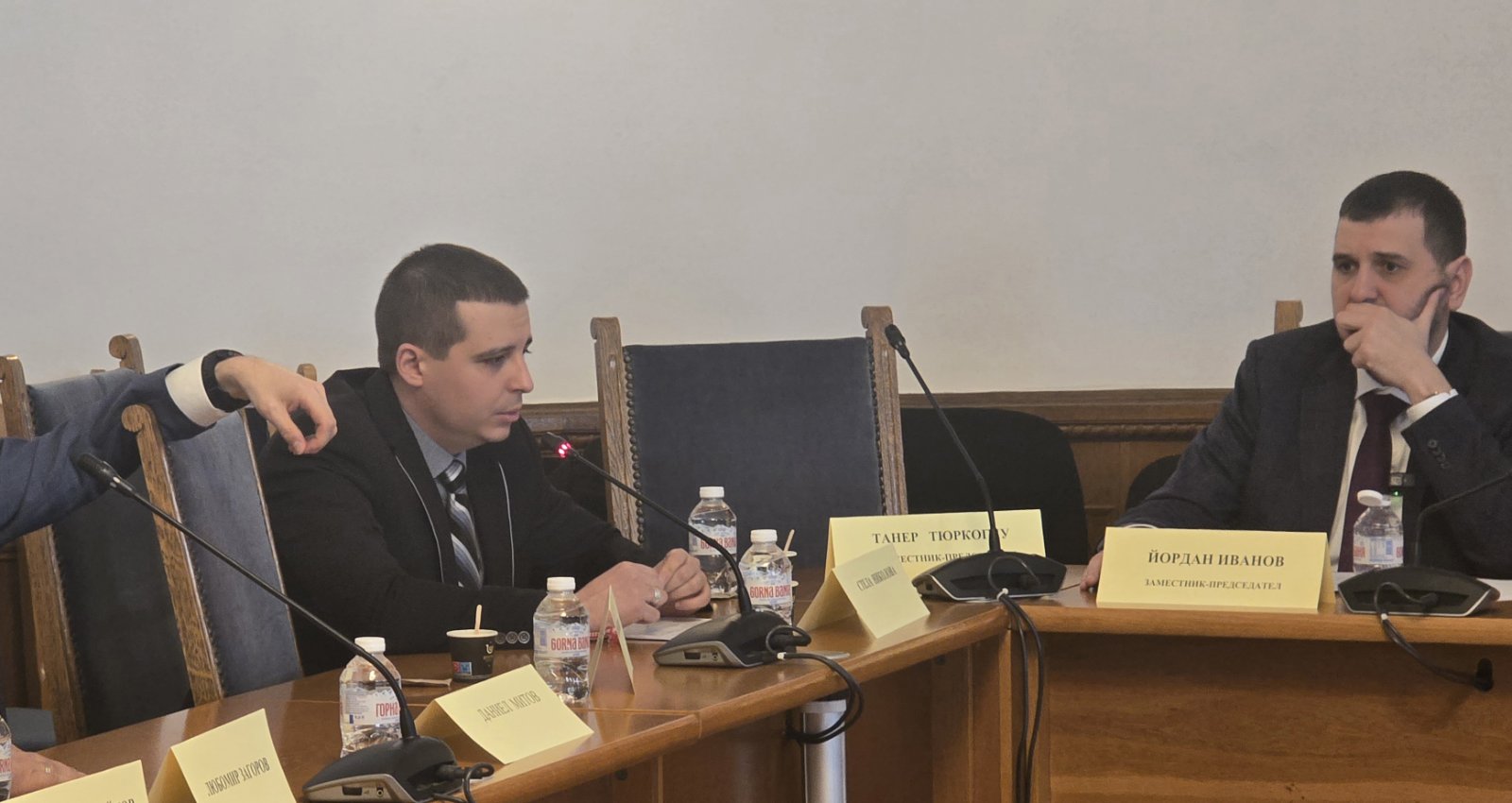
The Chairman of FTTU, Eng. Aleksandar Shopov, participated in a meeting of the parliamentary Transport Committee, where he presented the position of the Federation of Transport Trade Unions to CITUB on the draft of the new Law on Public Transport.
During the meeting, FTTU expressed serious concerns regarding a number of weaknesses in the draft law, which could have a direct impact on those working in the sector, the development of municipal transport enterprises, and the sustainability of the public transport system.
Among the main problems pointed out by the trade union is the lack of real participation of the social partners in the drafting of the law. The project was developed without timely consultations with the trade union organizations and without expert discussions within the sectoral format of the National Council for Tripartite Cooperation, despite affecting the working conditions and employment of thousands of workers in the sector.
FTTU also highlighted the lack of social criteria in awarding public service contracts, which creates a risk of public tenders being won through lower labor costs. According to the union, the law must include requirements for minimum labor standards, the presence of collective bargaining agreements, and social criteria in public procurement.
Particular attention was paid to the risks for the future of municipal transport enterprises. In its current form, the draft law places the mechanism for awarding services to an internal (in-house) operator in a more unfavorable position compared to the procedures under the Public Procurement Act and the Concessions Act, which could lead to a limitation of municipal autonomy and the gradual displacement of municipal operators.
The Federation also raised the issue of the risks of unregulated platform models entering the so-called on-demand transport, as well as the lack of clear guarantees that these services can be performed by municipal operators.
In its position, FTTU also draws attention to the lack of a concept for transport poverty, meaning that the draft law does not provide for sufficient measures to guarantee access to transport for vulnerable groups and for settlements with limited transport connectivity.
Among the other problems pointed out by the trade union are the excessive centralization of system management, insufficient mechanisms for public control over the spending of public funds, and the transfer of numerous key issues to future secondary legislation.
FTTU emphasized that public transport is a service of general economic interest and the future law must guarantee a balance between economic efficiency, the social protection of workers, and citizens' access to quality transport.
The Federation will submit specific proposals for changes to the draft law in writing between the first and second readings and expects the members of parliament to comply with the position of the trade unions and the interests of the workers in the sector.

Justice • Solidarity • Development

QUICK LINKS
Accessibility
Terms of Use
Permissible use
Mutual Respect Policy
©2025-2026, Federation of Transport and Trade Unions,
All rights reserved.
Justice • Solidarity • Development
QUICK LINKS
Accessibility
Terms of Use
Permissible use
Mutual Respect Policy
©2025-2026, Federation of Transport and Trade Unions,
All rights reserved.
Justice • Solidarity • Development
QUICK LINKS
Accessibility
Terms of Use
Permissible use
Mutual Respect Policy
©2025-2026, Federation of Transport and Trade Unions, All rights reserved.
Justice • Solidarity • Development
QUICK LINKS
Accessibility
Terms of Use
Permissible use
Mutual Respect Policy
©2025-2026, Federation of Transport and Trade Unions, All rights reserved.
Justice • Solidarity • Development
QUICK LINKS
Accessibility
Terms of Use
Permissible use
Mutual Respect Policy
©2025-2026, Federation of Transport and Trade Unions, All rights reserved.